
Powering the AI Surge: Redefining Silicon Margins and Delivery Networks
AI accelerators are forcing a radical redesign of power delivery networks and silicon margin characterization to maintain yield in the age of high-performance computing.
AI accelerators are forcing a radical redesign of power delivery networks and silicon margin characterization to maintain yield in the age of high-performance computing.

The robotics industry is moving from its 'Lego era' of hardware components to a software-first approach focused on security and medical autonomy.

General Intuition has reached a $6 billion valuation as it develops foundation models that train AI agents to navigate the physical world using gaming data and spatial reasoning.
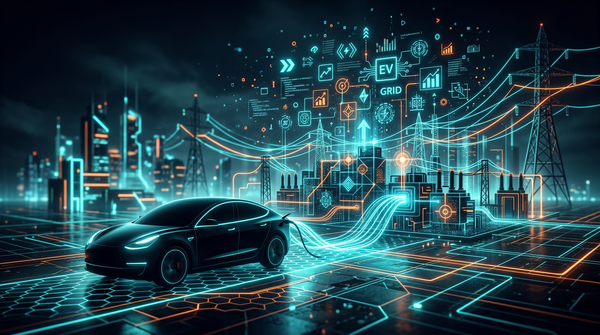
GM Energy and WeaveGrid are launching a vehicle-to-grid pilot in California, turning parked electric vehicles into mobile power plants that support the state's electrical grid.

Waymo faces a nationwide suspension of freeway operations after a California DMV order labeled the service an 'imminent hazard,' marking a major setback for the robotaxi leader.
NVIDIA is pushing Physical AI from the cloud to the edge, enabling developers to build AI agents that plan experiments and interact with physical environments using Windows PC acceleration.

NVIDIA is bringing supercomputing to the desktop with the DGX Spark Developer Kit and RTX Spark PCs, enabling local AI agent development and high-performance chip design workflows.
Robotics is currently in its 'Lego era,' but the arrival of agentic AI and foundation models for movement promises to finally solve the industry's long-standing data-scaling problem.
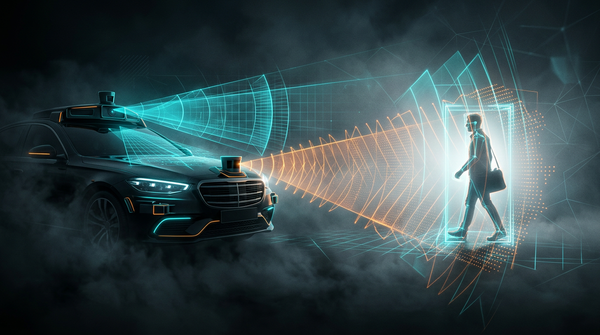
A new report suggests that the integration of Lidar could have prevented several high-profile Tesla crashes. The debate between 'vision-only' and sensor fusion continues to shape the future of ADAS safety.
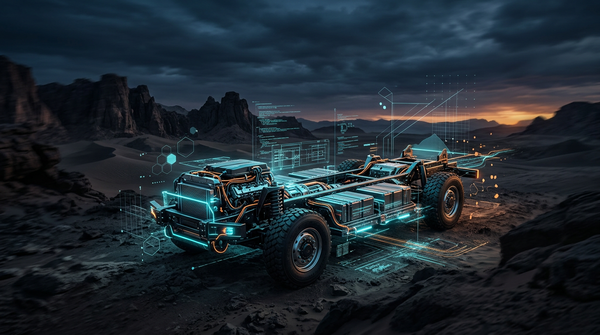
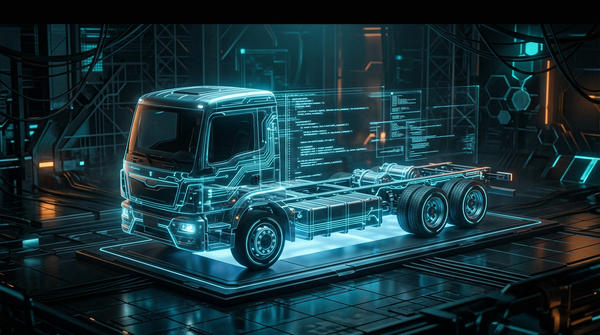
Harbinger’s recent $240M funding round signals a major shift as the EV startup moves into the defense sector. Their modular electric platform is being adapted for driverless military logistics and emergency response.

Waymo has halted all freeway operations across the United States following a California DMV order citing 'imminent hazard.' The suspension marks a significant regulatory hurdle for the leader in autonomous ride-hailing.
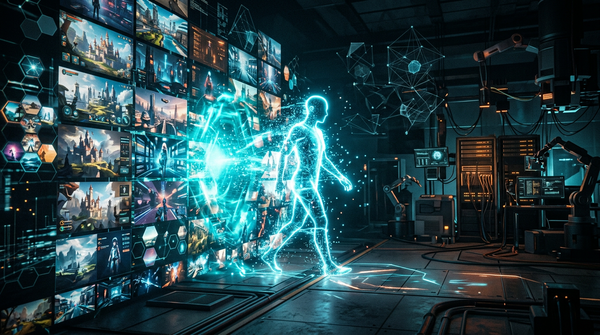
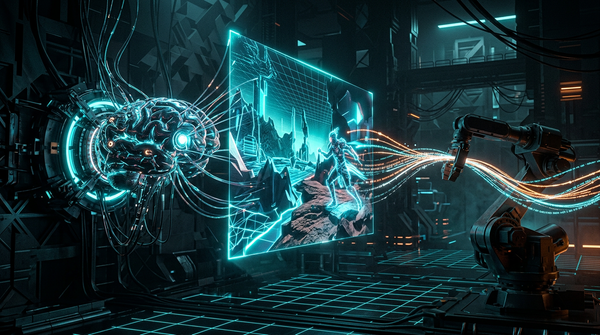
The quest for Artificial General Intelligence is shifting away from text-based models toward video game environments. Startups are leveraging gaming data to teach AI agents how to interact with complex, physics-based worlds, providing a bridge to physical reality.
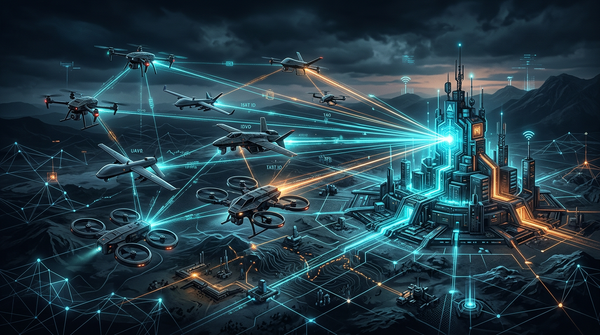
Neo-Defense Tech
NATO's deployment of OpenAI-powered cyber agents and Ukraine's use of heavy-lift medevac drones signal a new era of autonomous combat and electronic warfare.

Semiconductors
As semiconductor dimensions reach the angstrom level, researchers are exploring backside power delivery and defect-aware chiplet matching to overcome physics-based limitations and optimize yield.

Robotics
Robotics is currently in its 'Lego era,' but the emergence of 'Agentic Robotics' and foundation models for motion are bringing the industry closer to a transformative 'ChatGPT moment.'
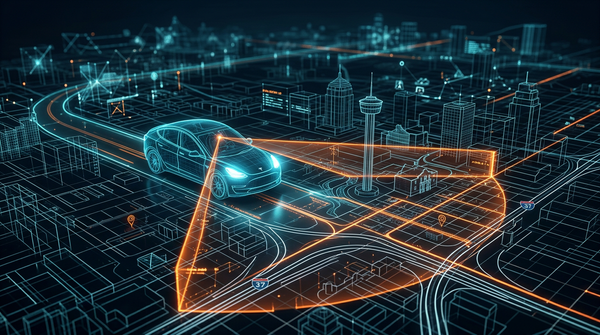
ADAS
Tesla's expansion of its robotaxi service to San Antonio marks a significant milestone in its ADAS-to-autonomous transition. The move tests Tesla’s camera-only approach in a new, diverse urban environment.
SDV
Harbinger's $240M funding round signals a major shift toward Software-Defined Vehicles (SDVs) in the commercial and defense sectors. Their modular electric platform prioritizes vertical integration and software-first architecture.

Autonomous Vehicles
California's DMV has issued a suspension of Waymo's freeway operations, citing an 'imminent hazard' to public safety. This setback highlights the ongoing regulatory hurdles facing autonomous ride-hailing expansion.
Physical AI
While LLMs excel at text, achieving Artificial General Intelligence in the physical world may require training data from complex video game environments. This approach allows AI to learn spatial reasoning and physics-based interactions far more effectively than static internet data.
Neo-Defense Tech
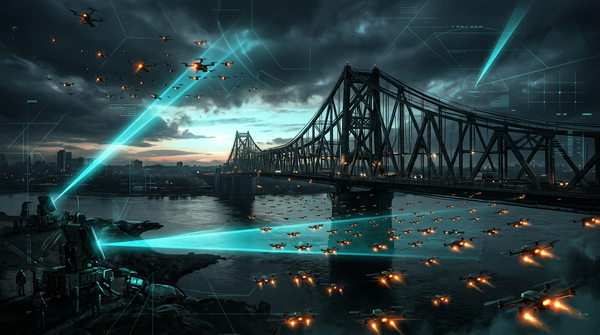
Ukraine's successful drone onslaught against the Kerch Bridge underscores the new reality of AI-driven warfare. As cheap drones become lethal precision weapons, the US military is racing to deploy tactical sensors and concrete hardening.

Semiconductors
To keep pace with AI demands, semiconductor designers are moving HBM controllers closer to memory and utilizing acoustic micro-imaging to inspect advanced packages for microscopic defects.

Robotics
Robotics is currently in its 'Lego era,' but the arrival of specialized developer kits and better security protocols is setting the stage for a ChatGPT-like moment in physical machines.
ADAS
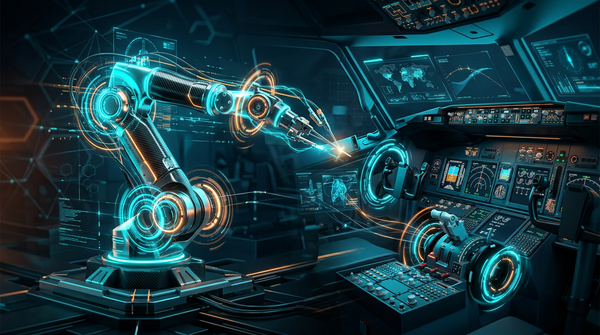
Advanced Driver Assistance Systems (ADAS) are moving into the cockpit to assist pilots and surgeons alike. From VR-based alertness training for Army aviators to robotic telesurgery, ADAS is becoming a critical human-machine interface.
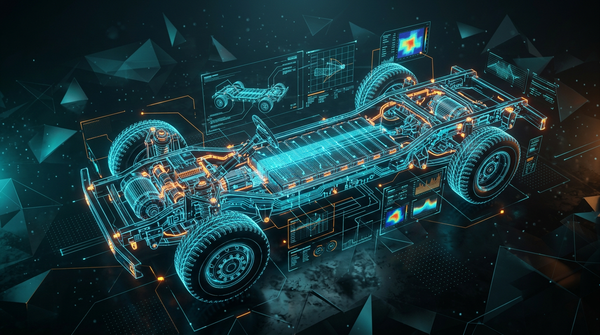
SDV
The Software-Defined Vehicle (SDV) era is forcing a massive rethink of hardware-software integration. Modern EV platforms are now being designed with modular architectures that allow for rapid military and commercial pivots.