Tesla Scales Vision-Only Autonomy to San Antonio Hub
Tesla's expansion of its robotaxi service to San Antonio marks a significant milestone in its ADAS-to-autonomous transition. The move tests Tesla’s camera-only approach in a new, diverse urban environment.
San Antonio: The New Frontier for Vision-Based ADAS
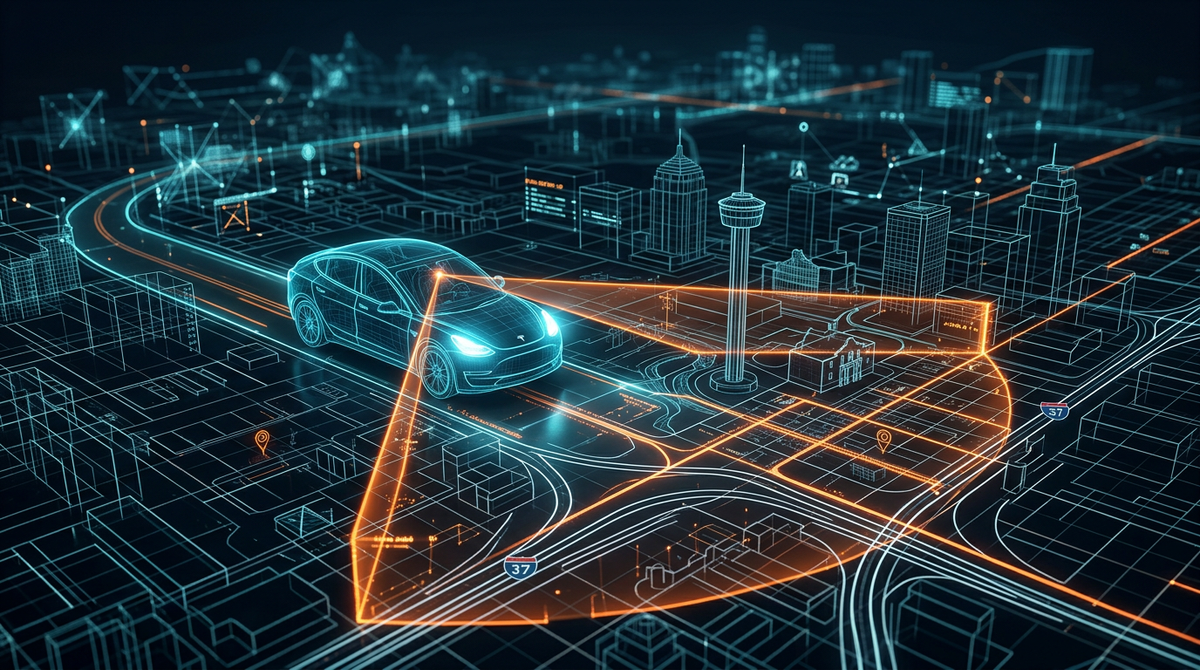
Tesla is doubling down on its vision-only Advanced Driver Assistance Systems (ADAS) by expanding its robotaxi pilot program to San Antonio, Texas. This move follows initial testing in other major Texas hubs and represents a critical test of Tesla’s Full Self-Driving (FSD) software in a city known for its unique urban layout and varying weather conditions. Unlike competitors who rely on expensive LiDAR sensors, Tesla’s strategy hinges on the belief that high-resolution cameras and neural networks can replicate human sight well enough to achieve full autonomy.
The expansion into San Antonio is more than just a geographic milestone; it is a data-harvesting mission. Every mile driven by a Tesla robotaxi in a new city provides the fleet's central AI with edge cases that cannot be simulated—unusual intersections, local driving habits, and regional debris. This "shadow mode" learning is the engine behind Tesla’s ADAS evolution, where the system constantly compares its predicted path against the actions of the safety driver.
However, the transition from "supervised ADAS" to a true robotaxi service remains under intense scrutiny. As Tesla scales, it must navigate the "last 1%" problem: those rare, high-risk scenarios that still require human intervention. By deploying in San Antonio, Tesla is betting that its massive data moat will finally allow its software to transcend the role of a driver assistant and become the driver itself, fundamentally changing the economics of ride-hailing.
Source: TechCrunch