The Lidar Necessity: Why Vision-Only ADAS is Facing New Scrutiny
A new report suggests that the integration of Lidar could have prevented several high-profile Tesla crashes. The debate between 'vision-only' and sensor fusion continues to shape the future of ADAS safety.
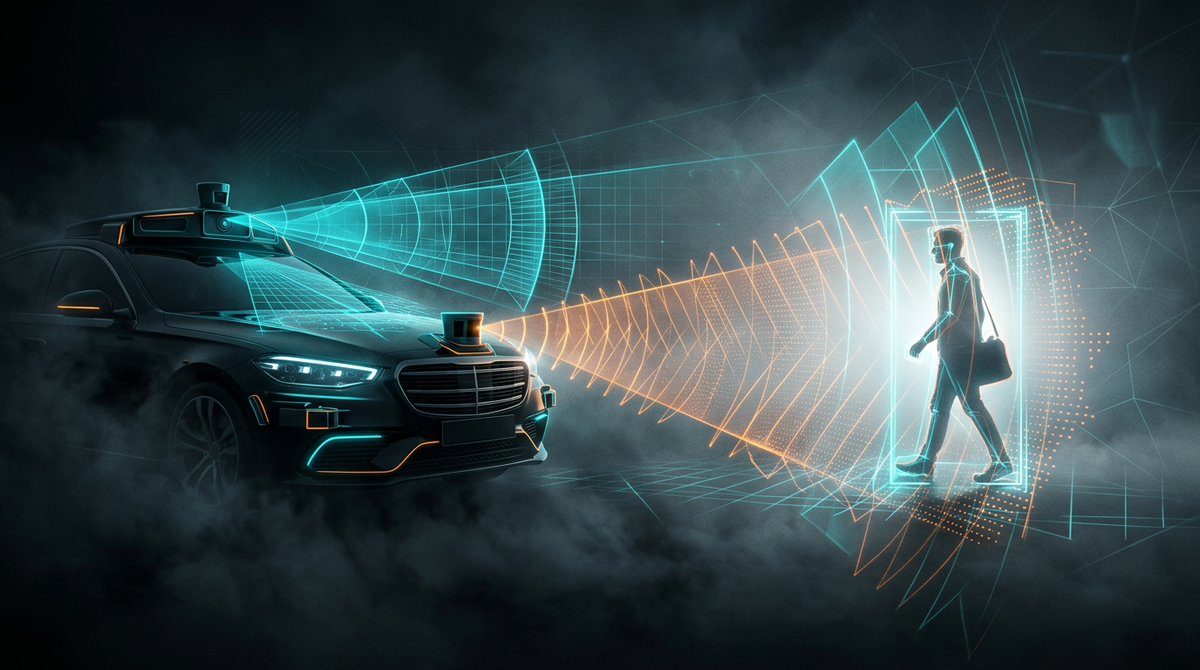
The debate over the optimal sensor suite for Advanced Driver Assistance Systems (ADAS) has reignited following a series of high-profile accidents involving Tesla’s Autopilot and Full Self-Driving (FSD) systems. While Tesla remains committed to a "vision-only" approach, industry analysts and safety advocates are increasingly pointing toward Lidar (Light Detection and Ranging) as a necessary redundancy to prevent fatal collisions.
Critics of vision-only systems argue that cameras, while powerful, are susceptible to environmental factors like blinding sunlight, heavy rain, and "phantom braking" caused by misinterpreting shadows. Lidar, which uses laser pulses to create a 3D map of the surroundings, provides precise depth perception that cameras struggle to replicate in challenging conditions. The "Lidar makes sense" argument is gaining traction as data suggests that many Autopilot-related crashes occurred in scenarios where active depth sensing could have alerted the system to obstacles that cameras missed.
As ADAS evolves toward higher levels of autonomy, the industry is at a crossroads. Will manufacturers prioritize the cost-savings of camera-based systems, or will the mounting safety data force a pivot toward multi-modal sensor fusion? For now, the push for Lidar reflects a growing consensus that in the world of high-speed automation, redundancy isn't a luxury—it's a requirement.
Source: Electrek