Neo-Defense: NATO’s AI Cyber Agents and the Rise of Drone Medevac
NATO's deployment of OpenAI-powered cyber agents and Ukraine's use of heavy-lift medevac drones signal a new era of autonomous combat and electronic warfare.
The Autonomous Frontline: Cyber Agents and Medevac Drones
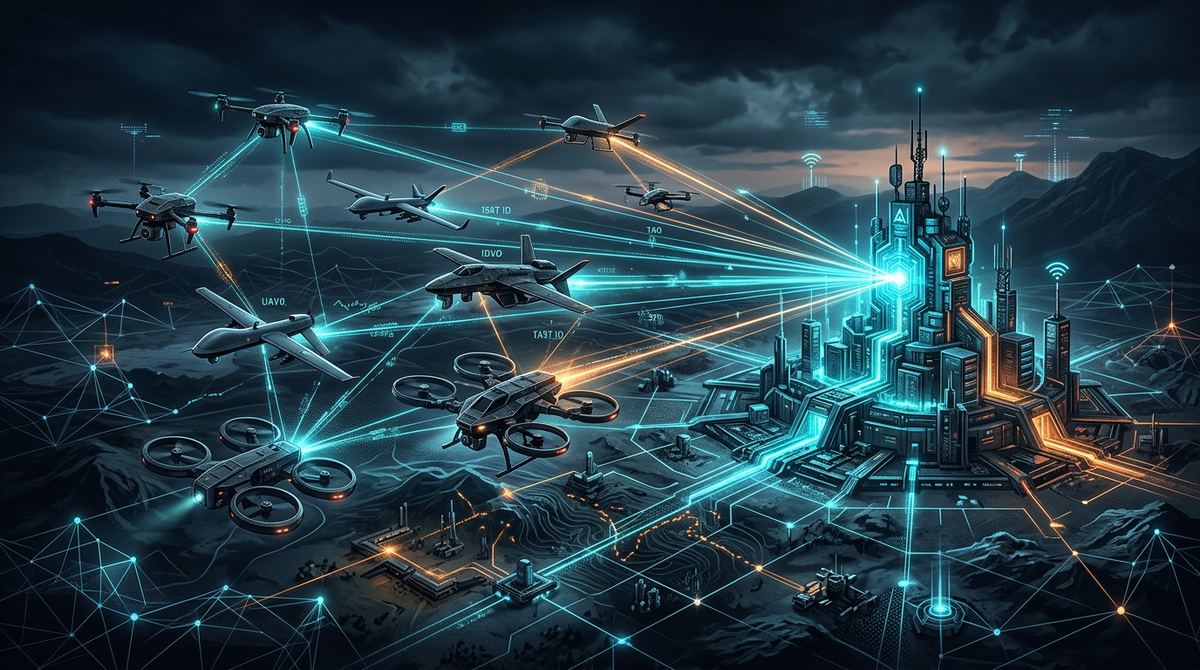
The nature of warfare is being fundamentally reshaped by the integration of autonomous systems and AI agents. In a landmark collaboration, OpenAI has granted NATO access to its most advanced cybersecurity AI, allowing operators to build and deploy AI agents designed to defend critical infrastructure against sophisticated cyber-attacks. This shift toward "agentic" cyber defense allows for real-time threat detection and mitigation at speeds far exceeding human capability.
On the physical battlefield, the "Drone Dominance" era is maturing. In Ukraine, the use of large aerial drones for medical evacuation (medevac) has transitioned from experimental to operational. These heavy-lift systems can transport wounded soldiers from high-risk forward positions to field hospitals, removing the need for human-crewed helicopters in zones saturated with Man-Portable Air-Defense Systems (MANPADS). This not only saves lives but fundamentally alters the risk calculus of frontline operations.
Simultaneously, the U.S. Army is accelerating its "manufacturing rodeo" for small drones, focusing on systems that can survive heavy electronic jamming. The goal is to produce "expendable" autonomy—cheap, swarm-capable drones that can overwhelm enemy defenses. As directed energy weapons and truck-mounted lasers begin to enter the fray as counter-UAS measures, we are entering a recursive cycle of technological escalation where the winner is determined by the speed of their software iterations and the resilience of their autonomous supply chains.
Source: Defense One