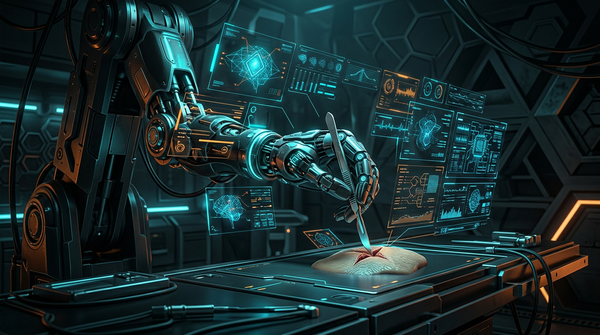
Why Video Games are the Secret Laboratory for Physical AI
While LLMs excel at text, achieving Artificial General Intelligence in the physical world may require training data from complex video game environments. This approach allows AI to learn spatial reasoning and physics-based interactions far more effectively than static internet data.
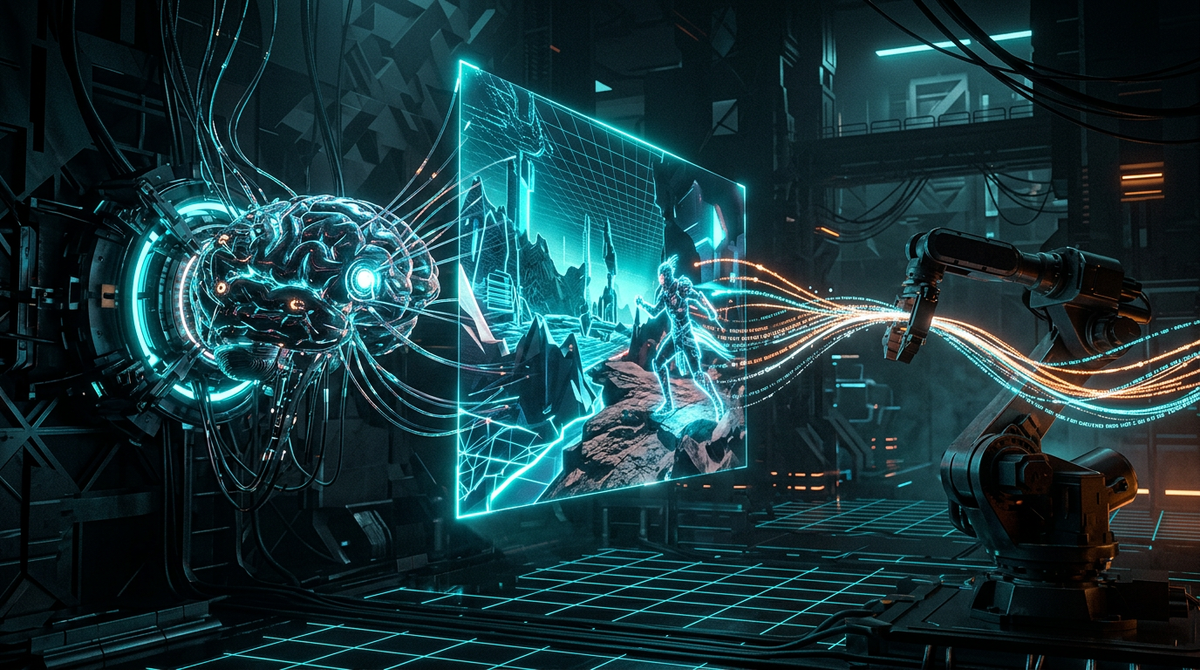
The Virtual Sandbox for Real-World Intelligence
The quest for Artificial General Intelligence (AGI) has hit a bottleneck: the limitations of text-based learning. While Large Language Models (LLMs) like GPT-4 have demonstrated a remarkable command of human language, they lack a fundamental understanding of the physical world—gravity, spatial relationships, and the "common sense" of movement. Industry leaders are now arguing that the next leap in Physical AI won't come from more digitized books, but from video games.
The core of the argument lies in the richness of the data. Video games provide high-fidelity, physics-constrained environments where agents must navigate complex 3D spaces to achieve goals. Unlike the internet's static text, gaming data captures the cause-and-effect nature of the physical world. When an AI agent "plays" a game, it learns how to negotiate obstacles, predict the trajectory of moving objects, and understand the limits of a physical body—skills that are directly transferable to robots operating in human environments.
Startups backed by high-profile tech luminaries are now harvesting millions of hours of gameplay to build "world models." These models serve as the cognitive foundation for Physical AI, allowing machines to simulate outcomes before they act. By mastering the logic of virtual physics, these AI systems are better prepared for the messy, unpredictable nature of the real world, bridging the gap between digital reasoning and physical action.
Source: TechCrunch