The SDV Pivot: How Modular EV Platforms are Transforming Modern Fleets
The Software-Defined Vehicle (SDV) era is forcing a massive rethink of hardware-software integration. Modern EV platforms are now being designed with modular architectures that allow for rapid military and commercial pivots.
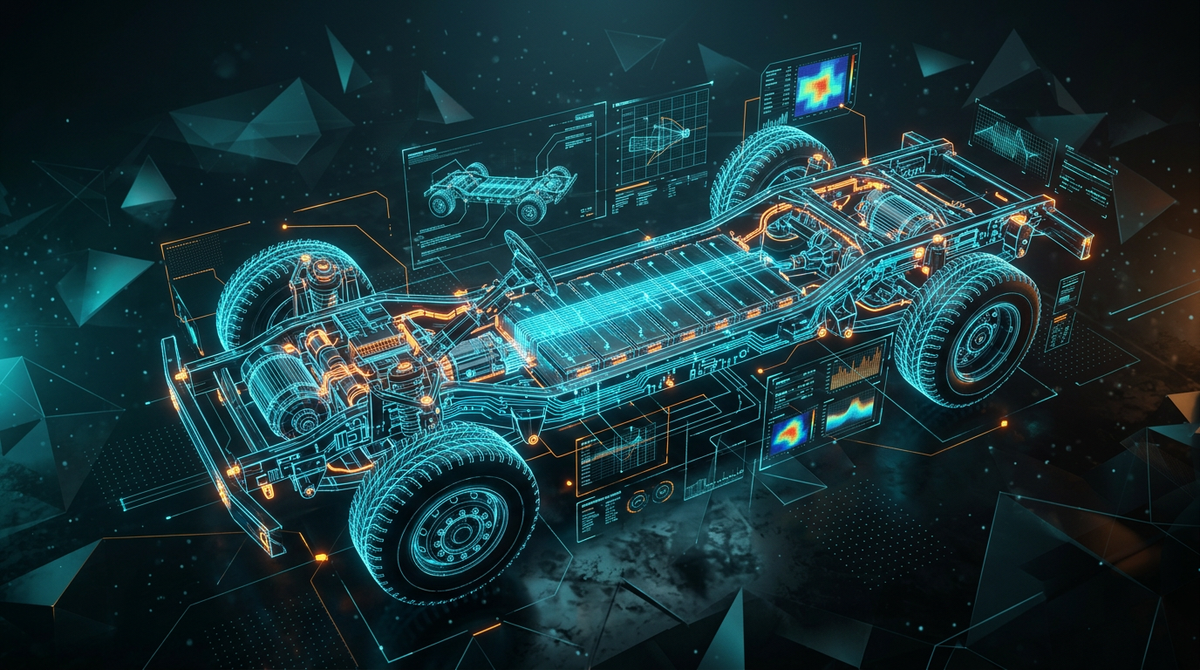
The traditional distinction between automotive manufacturing and software development has officially collapsed. The rise of the Software-Defined Vehicle (SDV) is best exemplified by startups like Harbinger, which recently secured $240 million to expand its driverless platform into the defense sector. The modularity of their electric chassis allows for a 'software-first' approach, where the vehicle's behavior, power management, and autonomous capabilities can be updated over-the-air, regardless of whether the vehicle is an emergency truck or a military transport.
SDVs are characterized by a centralized computing architecture rather than dozens of isolated Electronic Control Units (ECUs). This allows for a 'digital twin' approach to vehicle maintenance and deployment. For defense applications, this means a platform can be reconfigured in the field via software updates to prioritize stealth, range, or high-torque combat maneuvers. The ability to abstract the hardware from the software layer is what allowed Harbinger to pivot so effectively into the high-stakes world of Neo-Defense.
However, the shift to SDVs also introduces new complexities in lifecycle management. As vehicles become essentially 'datacenters on wheels,' the industry must solve for long-term software stability and cybersecurity. The goal is a vehicle that doesn't just age, but evolves, receiving performance improvements and new autonomous features throughout its operational life, much like a smartphone or a cloud server.
Source: TechCrunch