The SDV Service Ecosystem: Uber and Hertz’s Robotaxi Blueprint
Uber and Hertz are redefining the Software-Defined Vehicle lifecycle by partnering with 'Oro Mobility' for robotaxi fleet management. The collaboration focuses on the specialized maintenance required for high-utilization autonomous fleets.
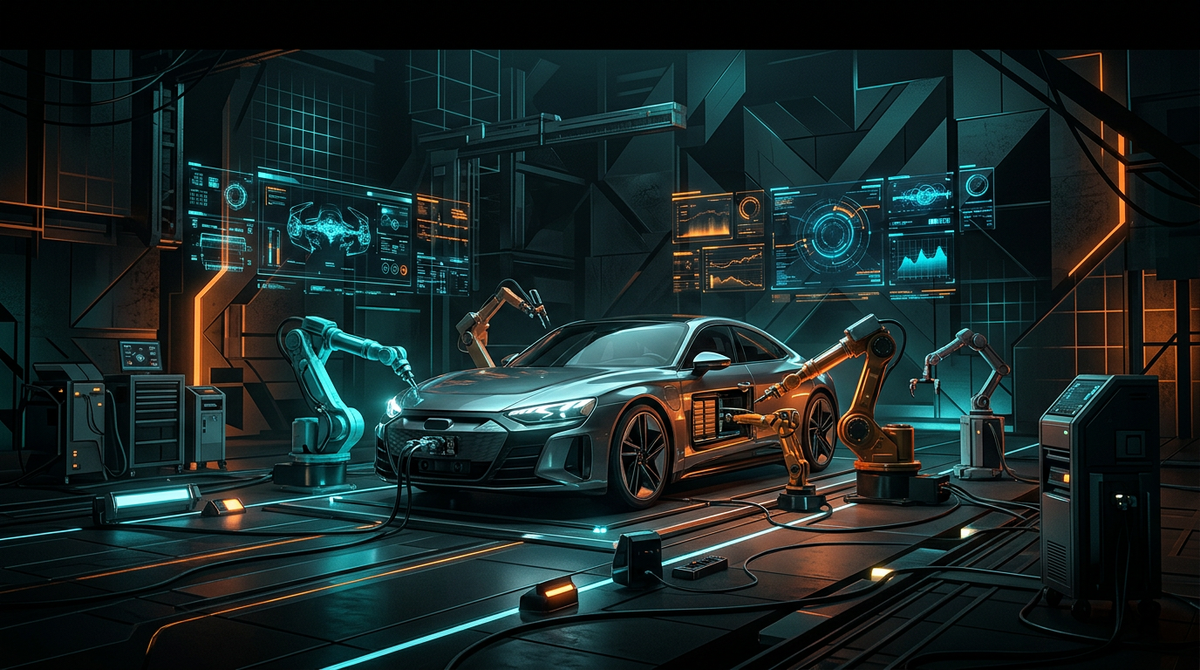
As vehicles transition from hardware-centric machines to software-defined platforms (SDVs), the infrastructure supporting them must also evolve. This shift is particularly evident in the world of shared mobility. Uber has recently tapped Hertz—via its new affiliate "Oro Mobility"—to handle the "clean, charge, and fix" cycle for its upcoming fleet of Lucid Motors robotaxis. This partnership highlights the operational backbone required to keep software-heavy vehicles running at peak performance.
The modern SDV is essentially a rolling data center. Maintenance is no longer just about oil changes; it involves managing complex sensor suites, thermal systems for high-performance computers, and continuous software updates. By outsourcing fleet management to a specialized entity like Oro Mobility, Uber can focus on its core software and routing algorithms while ensuring that the physical hardware is maintained to the exacting standards required for autonomous operation.
This ecosystem approach suggests that the future of SDVs will depend on integrated service networks. As these vehicles log significantly more miles than traditional passenger cars, the ability to automate diagnostics and streamline physical maintenance becomes a competitive advantage. The Uber-Hertz-Lucid triangle represents a blueprint for how automotive OEMs, fleet operators, and software platforms will collaborate to monetize the SDV era.
Source: TechCrunch