Beyond the Edge Case: Why ADAS Must Master the Chaos of Emergency Scenes
Zoox has issued a software recall following an incident where its robotaxi was confused by heavy smoke, prompting federal regulators to demand better interaction with emergency scenes.
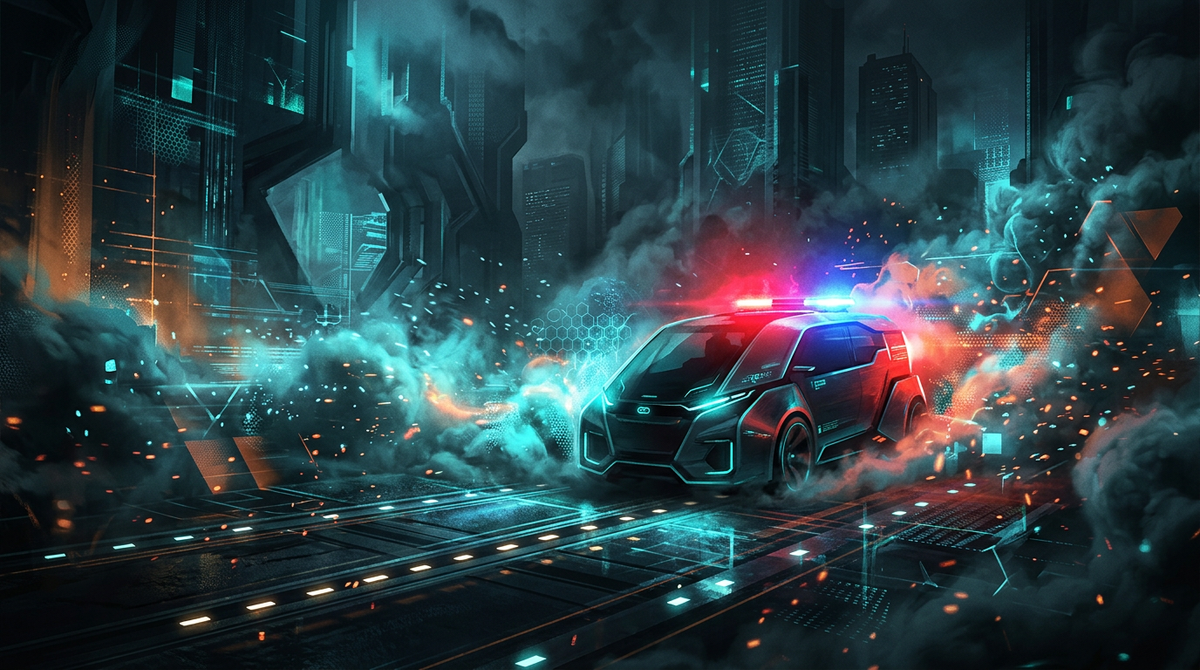
The safety of Advanced Driver Assistance Systems (ADAS) and full autonomy is under renewed scrutiny as the National Highway Traffic Safety Administration (NHTSA) warns that emergency scenes are not "edge cases" to be ignored. The latest flashpoint involves Zoox, which issued a software recall after one of its autonomous vehicles became confused by heavy smoke, potentially interfering with first responders. The incident highlights a critical gap in current perception systems: the ability to interpret and react to chaotic, low-visibility environments that human drivers navigate through intuition and social cues.
Federal regulators are now demanding that AV companies prioritize "responder awareness" in their ADAS stacks. This includes recognizing the specific light patterns of emergency vehicles, understanding the hand signals of police officers, and navigating through smoke, steam, or debris without freezing or making unpredictable maneuvers. The Zoox recall serves as a wakeup call that high-fidelity maps and lidar are not enough; the software must also possess a level of situational awareness that accounts for the unpredictability of human emergencies.
As these systems evolve, the industry is moving toward "collaborative ADAS," where vehicles can communicate with emergency infrastructure to clear paths automatically. Until then, the focus remains on hardening the perception layer to ensure that the pursuit of autonomy does not come at the cost of public safety during critical moments.
Source: TechCrunch