Unified Intelligence: How Tesla’s FSD v15 Bridges the Gap Between Cars and Robots
Tesla has provided updates on its FSD v15 and the progress of the Optimus humanoid robot, signaling a deeper integration between vehicle software and general-purpose robotics.
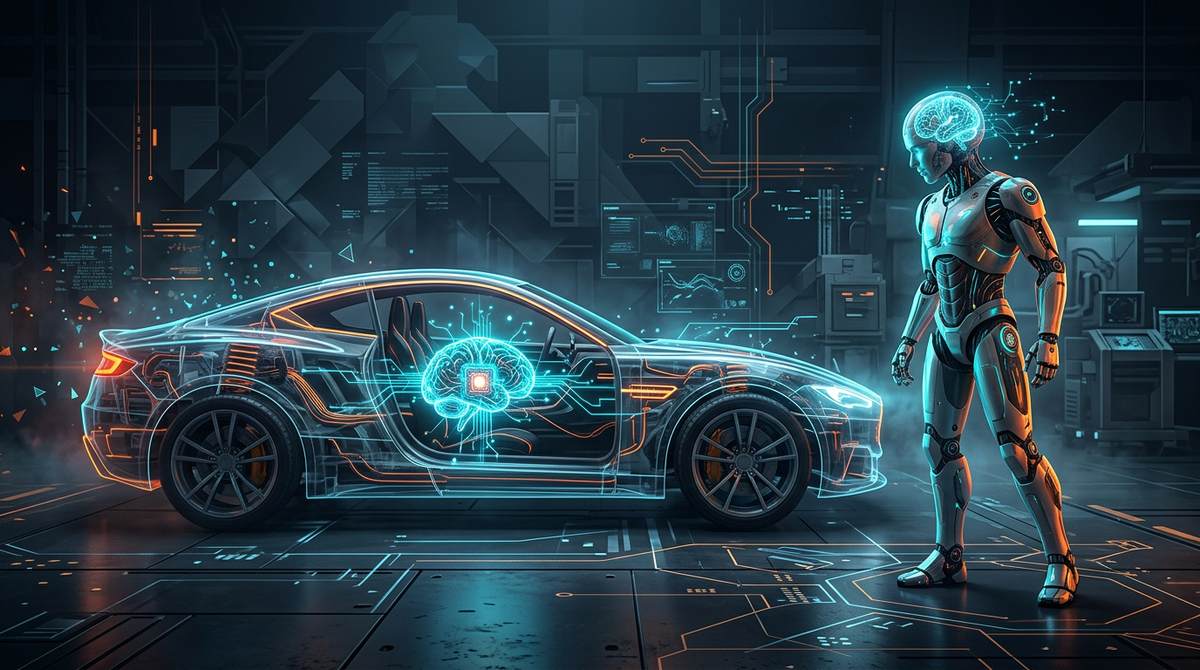
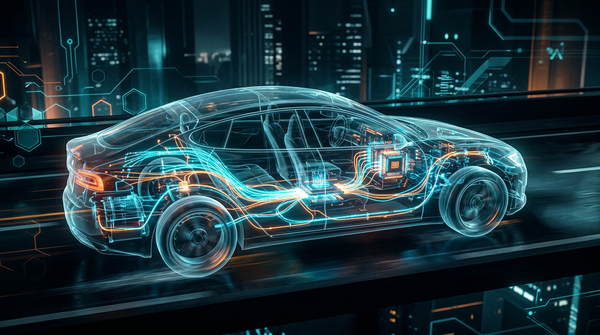
Tesla’s vision for the Software-Defined Vehicle (SDV) is expanding beyond the four wheels of a car and into the bipedal form of a robot. In a recent update to investors, the company described FSD v15 as a "step-change" in capability, utilizing improved end-to-end neural networks that move closer to how humans perceive and react to complex environments. Crucially, the software stack powering the car is the same foundation being ported into the Optimus humanoid robot, expected to hit the market in 2027.
This unification of the software stack represents the pinnacle of the SDV concept. Instead of treating the car as a standalone piece of hardware, Tesla treats it as a mobile sensor suite that feeds a generalized AI model. The "Version 15" update aims to solve the remaining edge cases of urban driving by leveraging the sheer volume of data collected from millions of Tesla vehicles globally. For owners, this means the vehicle’s value is increasingly tied to over-the-air (OTA) updates rather than its physical age.
The convergence of FSD and Optimus highlights a future where "driving" is just one app in a broader autonomous OS. By standardizing the hardware-software interface across its product line, Tesla is attempting to solve the problem of physical movement at scale, whether that movement happens on a highway or a factory floor.
Source: Electrek