The Rise of the AI Factory: Shifting from Development to Production Inference
The shift from AI model development to production inference is giving rise to 'AI factories'—continuously operating facilities that generate tokens at scale. This transition focuses on maximizing useful output per dollar, rather than just peak chip specifications.
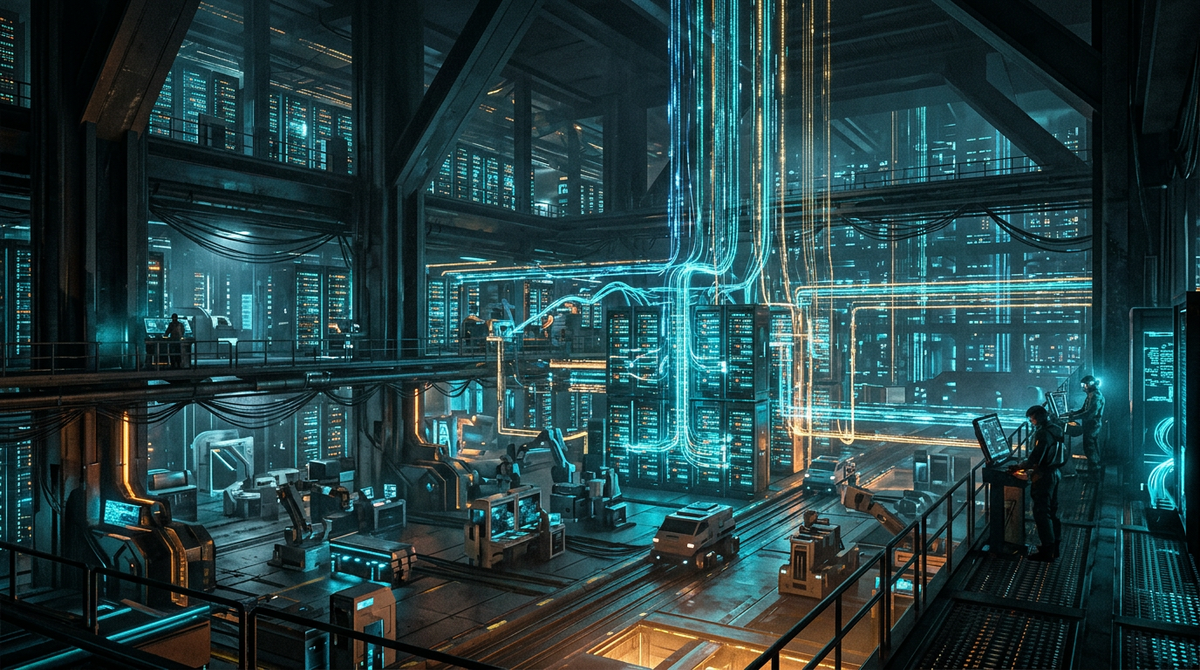
The landscape of artificial intelligence is undergoing a fundamental shift. As organizations move beyond the experimentation phase of pilot programs, the industry is pivoting toward the creation of "AI factories." These are large-scale, continuously operating infrastructures designed specifically for production inference—the process of using trained models to generate real-world outputs like text, images, and complex data analysis.
This transition marks a departure from focusing solely on the theoretical peak performance of individual chips. In the era of the AI factory, the primary metric for success has become the "cost per token." NVIDIA is responding to this demand by unlocking compute at scale through strategic partnerships and a comprehensive inference software stack. By optimizing the interaction between hardware and software, these systems aim to deliver the highest possible volume of useful tokens for every dollar spent.
As AI moves into this industrial phase, the infrastructure must be treated like a utility—reliable, scalable, and cost-efficient. The move toward AI factories represents the maturation of Physical AI, where the digital intelligence is backed by a robust, localized physical presence that powers everything from healthcare breakthroughs to real-time industrial automation.
Source: NVIDIA Blog