The Rise of Physical AI: Moving Beyond the Digital Screen
The frontier of AI is moving beyond digital chatbots and into the physical realm. By leveraging open world models, developers are enabling robots to perceive and interact with complex, unscripted environments.
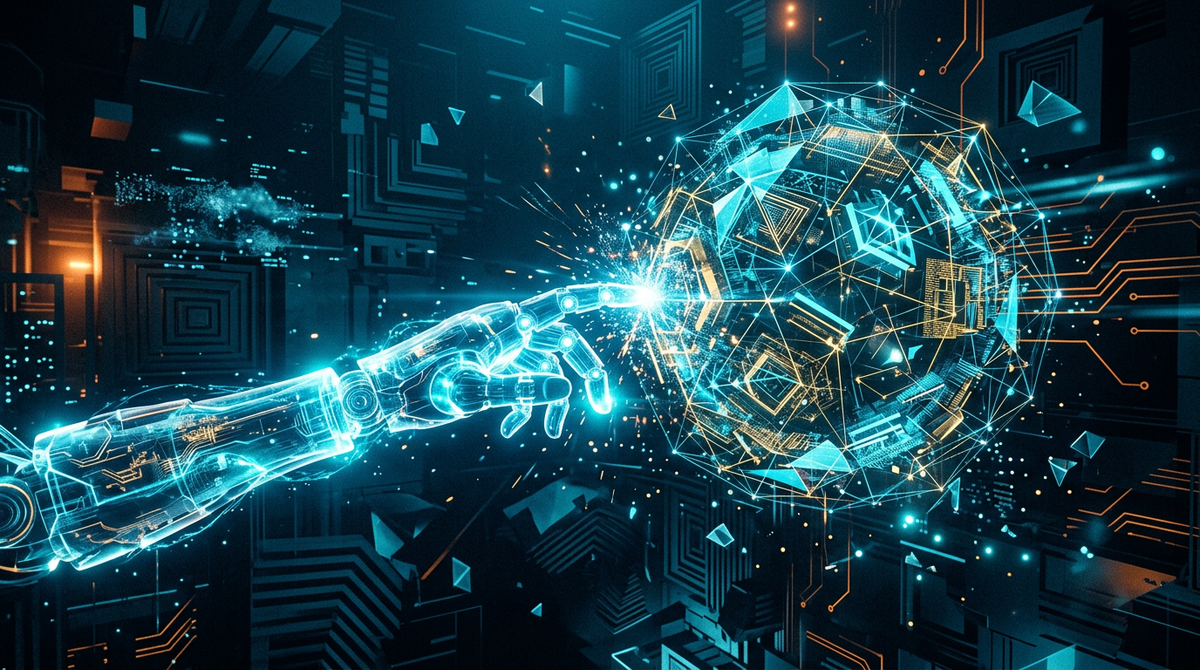
The transition from digital intelligence to Physical AI represents the next great leap in technology. While Large Language Models (LLMs) have mastered text, the challenge of Physical AI lies in understanding the laws of physics and the unpredictability of the real world. NVIDIA is at the forefront of this shift, recently championing the 'Open Weights and American AI Leadership' initiative to ensure that the foundational models for physical interaction remain accessible and robust.
Open world models are critical because they provide a generalized understanding of space, motion, and object permanence. Unlike traditional robotics programs that are hard-coded for specific tasks in controlled environments, Physical AI utilizes these models to navigate 'zero-shot' scenarios—tasks the system has never seen before. This allows for a more fluid interaction between machines and their surroundings, whether in a factory or a household.
By signing onto open standards, industry leaders are signaling that the future of robotics won't be siloed. Instead, it will be built on shared architectures that allow for rapid iteration. This collaborative approach is essential for solving the 'sim-to-real' gap, where AI trained in digital twins must flawlessly execute maneuvers in the messy, high-stakes physical world.
Source: NVIDIA Blog