Tesla’s Vision for the Future: Cybercab Testing Debuts in Austin
Tesla has officially begun testing its 'Cybercab' in Austin, a specialized vehicle designed without pedals or a steering wheel. This marks a critical step toward Elon Musk's long-term vision of a dedicated, fully autonomous robotaxi network.
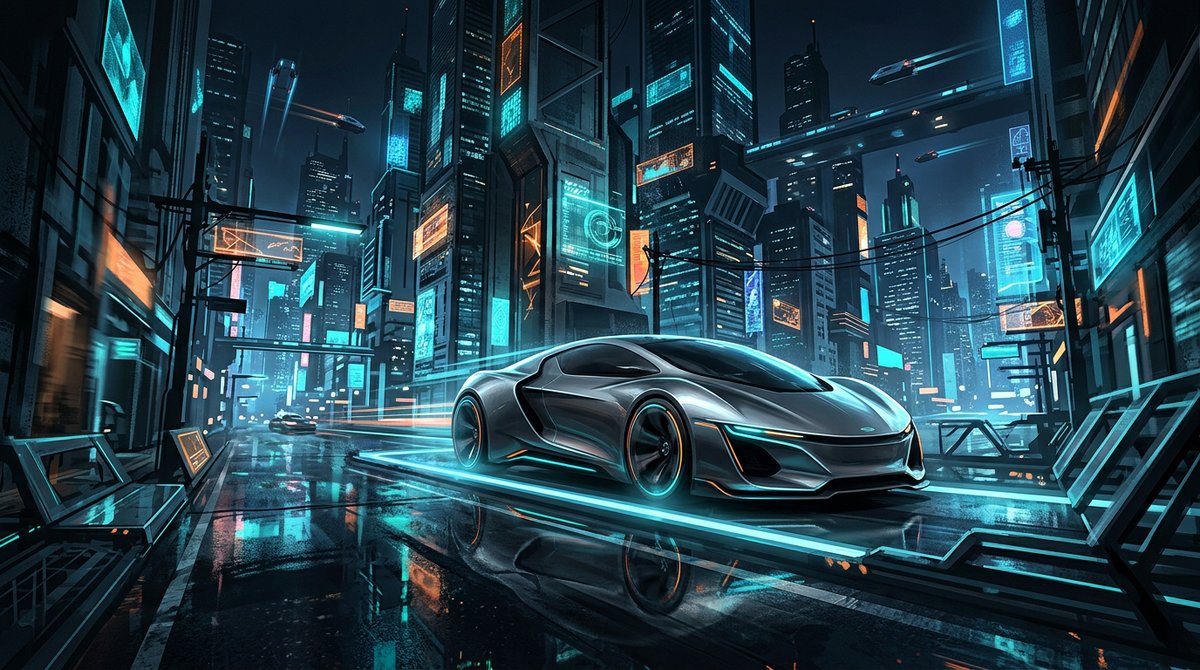
Tesla has finally moved its ambitious "Cybercab" project from the drawing board to the streets of Austin, Texas. In a significant shift for the company, these test vehicles lack traditional controls like pedals and steering wheels, representing a "Level 5" approach to autonomy where the human is entirely removed from the driving loop. While Tesla has previously relied on its consumer fleet to gather data, the Cybercab is a purpose-built platform designed specifically for the rigors of a robotaxi service.
The testing in Austin is intended to validate the vehicle's unique hardware configuration and its ability to navigate complex urban environments using Tesla’s vision-based FSD (Full Self-Driving) stack. Industry analysts suggest that by stripping away manual controls, Tesla is betting on a future where vehicle interiors are redefined as living or working spaces rather than cockpits. However, the move also brings heightened regulatory scrutiny, as vehicles without manual overrides face more stringent safety requirements from the NHTSA.
This development comes as competition in the autonomous vehicle space intensifies, with competitors like Waymo expanding operations and new startups entering the fray. If successful, the Cybercab could fundamentally disrupt the unit economics of ride-hailing by eliminating the cost of human drivers and maximizing vehicle uptime.
Source: TechCrunch