Tesla Cybercab Enters Testing: The Advent of the Pedal-Less Robotaxi
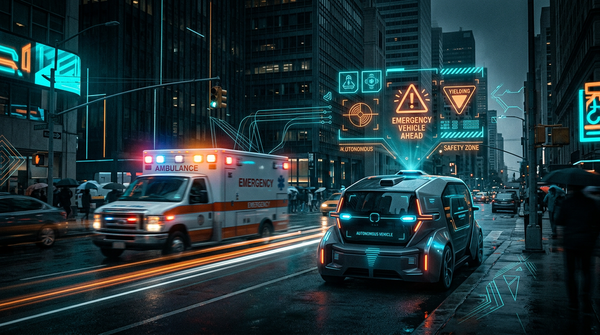
Tesla has begun testing its no-pedal, no-wheel Cybercab at Giga Texas. The testing phase marks a pivotal shift for Tesla's Full Self-Driving (FSD) stack into a dedicated robotaxi hardware platform.

Tesla has officially transitioned the Cybercab from a concept stage to active testing on the grounds of Giga Texas. Unlike the Model 3 or Model Y, which rely on human-centric controls as a fallback, the Cybercab is built without a steering wheel or pedals, relying entirely on the company’s vision-based ADAS and AI stack. This marks the first time Tesla has put its "Vision-Only" philosophy to the ultimate test in a dedicated vehicle form factor.
While initial rides are limited to employees within the controlled environment of the Tesla factory parking lots, the move signals that the software is reaching a level of confidence the company believes can handle "unstructured" environments without manual intervention. The strategy relies heavily on end-to-end neural networks, where the AI is trained on millions of miles of real-world fleet data to predict the safest path forward.
The Cybercab represents the culmination of Tesla’s ADAS evolution. By stripping away the mechanical hardware for human driving, Tesla is betting that its camera-based system can outperform Lidar-equipped rivals in cost and scalability. However, regulatory hurdles remain the primary obstacle. Moving from a private parking lot to the public streets of Austin will require more than just technical prowess; it will require a safety record that can satisfy federal and state auditors.
Source: Electrek