Jetson Thor: The Supercomputing Heart of the New Humanoid Era
NVIDIA has unveiled Jetson Thor, a new class of edge AI supercomputers designed specifically for humanoid and general-purpose robotics. The platform provides the 800 TFLOPS of performance necessary for robots to perform complex social and physical interactions.
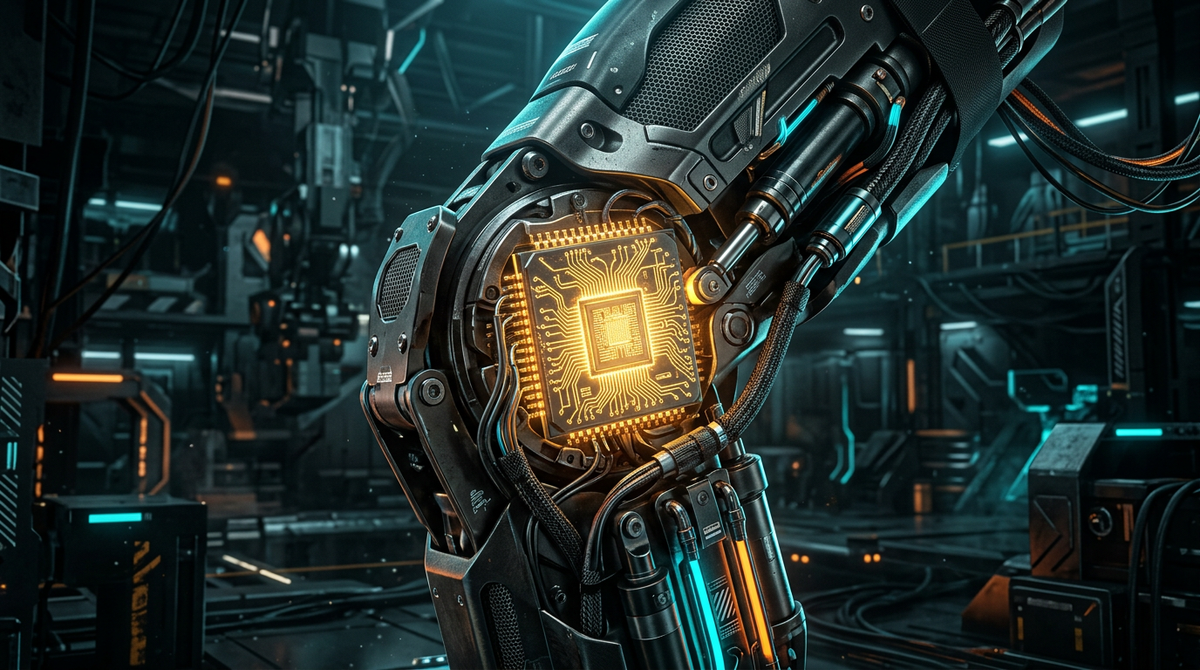
The dream of general-purpose robotics—machines that can navigate kitchens, hospitals, and factories with equal ease—requires a massive leap in onboard processing power. To meet this need, NVIDIA has introduced Jetson Thor, a platform designed from the ground up for embodied AI. Unlike previous edge controllers, Thor is built to run the large-scale transformer models that underpin the latest advancements in robotic reasoning.
Jetson Thor features a modular architecture that integrates an 800-TFLOPS AI engine based on the Blackwell architecture. This level of performance is critical for "Human-to-Robot Interaction" (HRI), allowing robots to process natural language, recognize human intent through micro-gestures, and calculate safe paths in dynamic environments simultaneously. The platform also includes a dedicated safety cluster to manage real-time control loops, ensuring that high-level AI reasoning never compromises low-level physical safety.
By providing a standardized, high-performance foundation stack, NVIDIA is attempting to do for robotics what the smartphone did for mobile computing. Developers can now leverage pre-trained foundation models and refine them for specific tasks like dexterous manipulation or autonomous logistics. As companies like Proception and Tesla compete to solve the "hard problem" of robotic hands, the availability of high-density edge computing like Thor will be the catalyst that moves these machines from labs to the mass market.
Source: NVIDIA Blog