Italian Humanoid Robot Showcases Fluid Physical AI Locomotion
Italian researchers have unveiled a new humanoid robot that demonstrates the latest leaps in physical AI and bipedal locomotion. The robot is designed for versatile tasks in human-centric environments.
The Italian Humanoid: A New Contender in General-Purpose Robotics
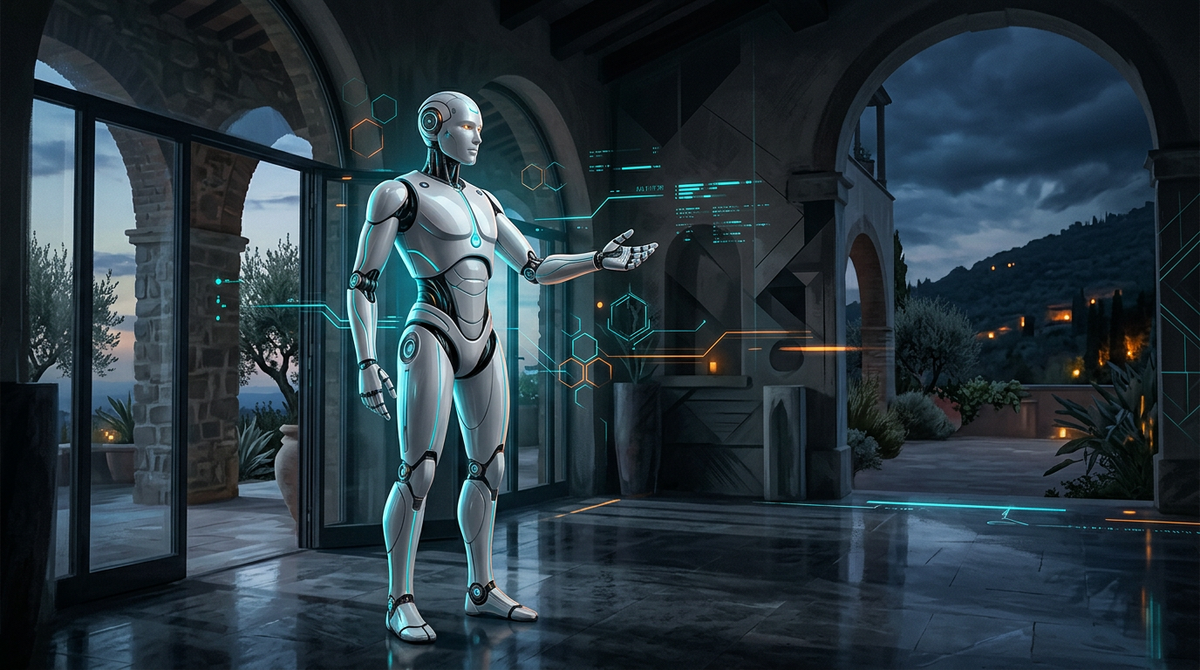
The global race for a versatile, general-purpose humanoid robot has a new and sophisticated entrant. Emerging from the research labs of Italy, a new humanoid robot has demonstrated remarkable fluidity in its movements, signaling a leap forward in the integration of Physical AI and mechanical engineering. Unlike specialized industrial robots, this bipedal machine is designed to navigate environments built for humans, from domestic spaces to complex hospital corridors.
The robot’s design focuses on "soft" robotics and compliant actuation, allowing it to interact safely with people. Its balance is maintained by a complex array of sensors and real-time processing that mimics the human vestibular system. This allows the robot to remain upright even when traversing uneven terrain or recovering from unexpected nudges. The goal is to move beyond the jerky, pre-programmed motions of yesterday toward a more organic, reactive form of movement.
As labor shortages continue to impact sectors like elderly care and logistics, the development of these humanoids is shifting from academic curiosity to economic necessity. The Italian project emphasizes the "embodiment" of AI—the idea that intelligence cannot be fully realized without a body to interact with the world. By mastering the nuances of human-like locomotion and manipulation, this robot represents a significant step toward a future where robotic assistants are as common as the smartphones in our pockets.
Source: IEEE Spectrum