Enhanced Accountability: Biometric Verification Meets Advanced Driver Assistance
Tesla is rolling out an identity check feature using in-cabin cameras to ensure authorized driver usage before activating high-level automation like Full Self-Driving.
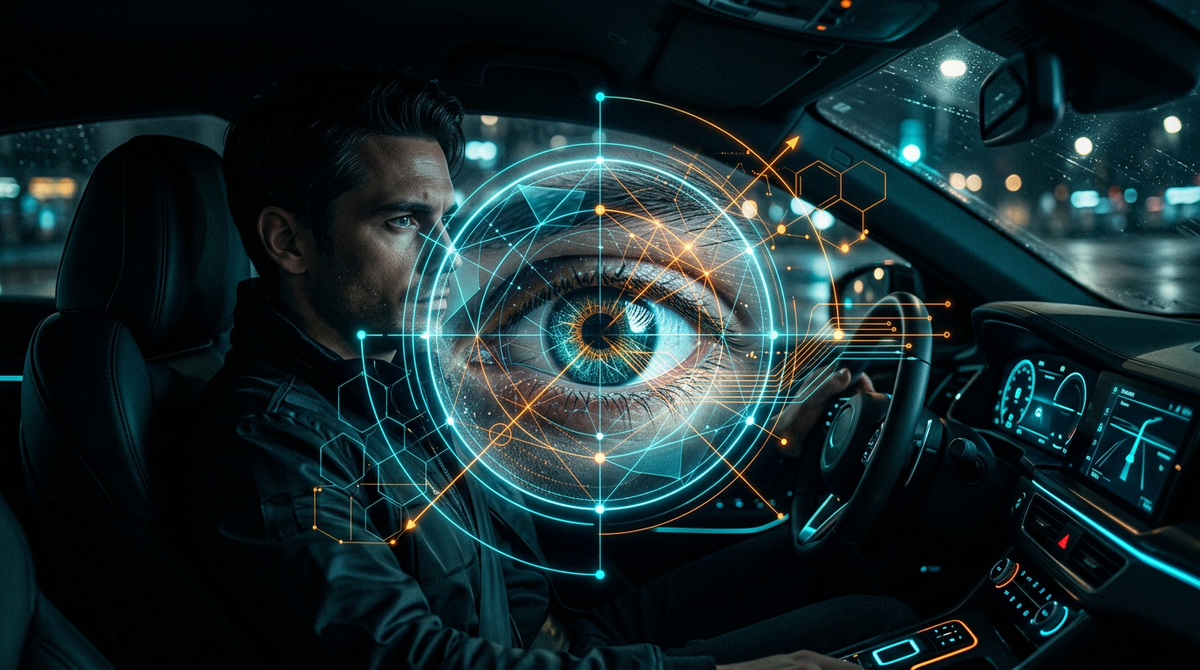
Safety and accountability are taking center stage in the latest updates to Advanced Driver Assistance Systems (ADAS). Tesla’s recent app code reveals a new "Identity Check" feature that will utilize the vehicle’s internal cabin camera. This system is designed to verify the driver’s identity via facial recognition before allowing the activation of "Full Self-Driving" (FSD) capabilities. This move aims to prevent unauthorized use and ensure that the person behind the wheel—even in a semi-autonomous state—is the registered user who has acknowledged the system's limitations.
This development comes amid ongoing scrutiny regarding driver attentiveness. While ADAS technologies like FSD offer significant convenience, they still require a "human in the loop." Recent reports of drivers falling asleep at the wheel highlight the critical need for more robust driver monitoring systems (DMS). By integrating identity verification with real-time gaze and posture tracking, automakers hope to close the loophole of driver complacency.
Beyond security, these in-cabin systems are becoming sophisticated enough to predict driver intent. Future ADAS will not only monitor for fatigue but also recognize emotional states and adjust the vehicle’s responsiveness accordingly. As we transition from Level 2 to Level 3 autonomy, the role of the ADAS shifts from an assistant to a guardian, making the cabin camera one of the most vital sensors in the modern vehicle safety suite.
Source: Electrek