Bridging the Gap: NVIDIA and Hugging Face Standardize Physical AI for Robotics
NVIDIA and Hugging Face are standardizing Physical AI development by integrating LeRobot with NVIDIA's Isaac platform. This collaboration provides open-source models and datasets to help robots master real-world manipulation and navigation.
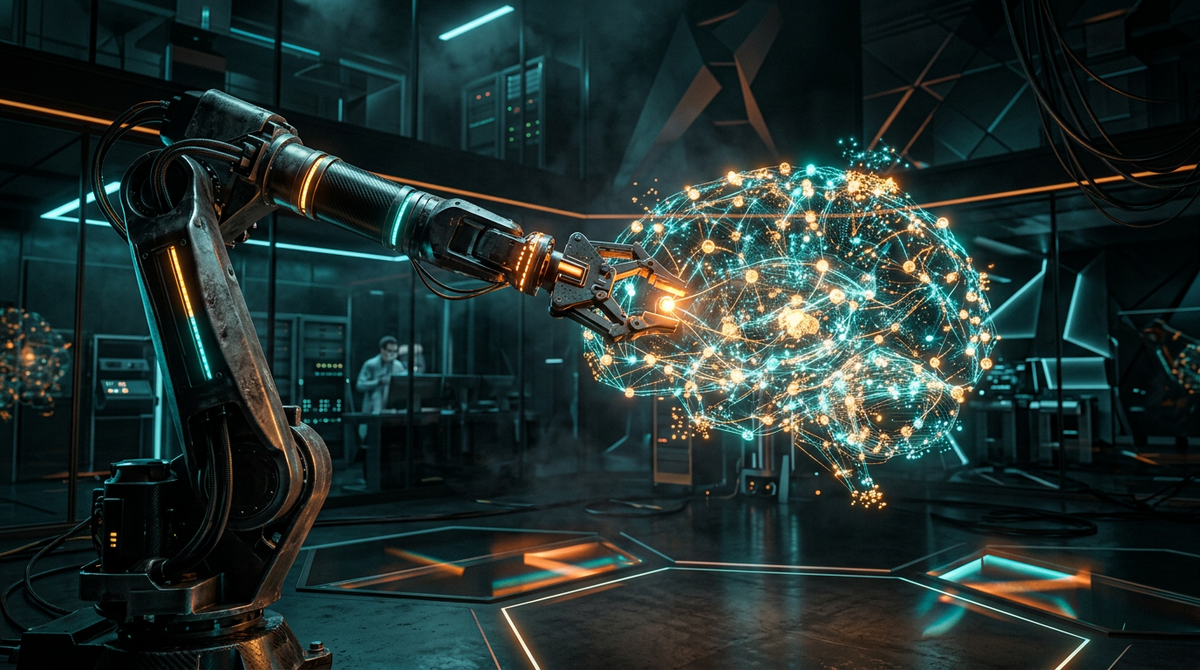
The barrier between digital intelligence and physical action is dissolving as NVIDIA and Hugging Face announce a landmark collaboration to bring advanced models and frameworks to LeRobot. This initiative is designed to democratize Physical AI, providing the open robotics community with the tools necessary to develop machines that can see, reason, and act in complex environments.
Physical AI represents the next frontier of artificial intelligence, where models are not just processing text or images but are interacting with the physical laws of the universe. By leveraging NVIDIA’s Isaac platform alongside Hugging Face’s vast repository of AI models, developers gain access to a standardized pipeline for training and deploying robotic skills. This includes "foundation models" for robotics that can be fine-tuned for specific tasks like dexterous manipulation or autonomous navigation.
Central to this effort is the focus on data. Unlike LLMs that train on internet text, Physical AI requires high-quality multimodal data—sensor logs, motor commands, and visual feedback. The LeRobot framework aims to provide a unified format for this data, making it easier for researchers to share breakthroughs and for startups to scale their robotic fleets without reinventing the infrastructure wheel. As these open-source frameworks mature, we expect to see an explosion in the versatility of general-purpose robots.
Source: NVIDIA Blogs