Unifying Senses: How Multimodal Models are Streamlining Physical AI
NVIDIA's new Nemotron 3 Nano Omni model marks a shift toward unified multimodal AI, eliminating the latency of switching between separate vision and language models to create more responsive physical agents.
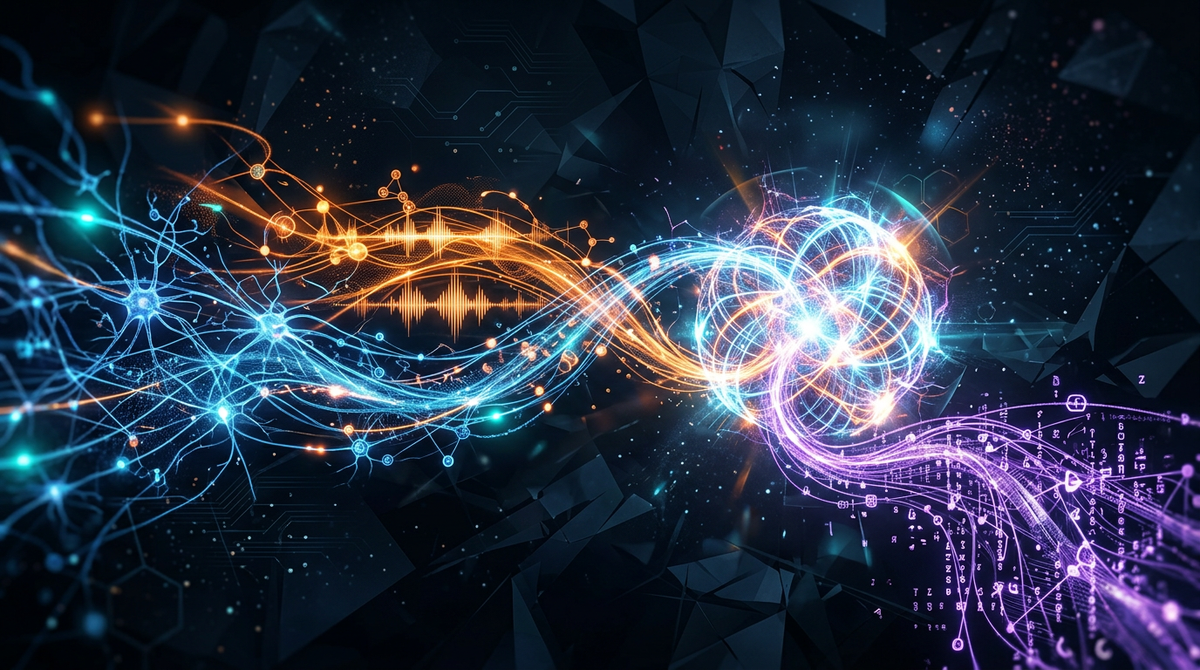
The evolution of Physical AI has long been hindered by the "hand-off" problem: the latency and loss of context that occurs when an autonomous system passes data between separate models for vision, speech, and reasoning. NVIDIA is addressing this bottleneck with the launch of the Nemotron 3 Nano Omni, a unified multimodal model designed to process vision, audio, and language simultaneously.
By integrating these modalities into a single architecture, NVIDIA claims a 9x improvement in efficiency for AI agents. This streamlined approach allows robots and embedded systems to perceive their environment and interact with humans in real-time without the jerky transitions typical of modular AI stacks. In a warehouse setting, for instance, a robot using Nemotron 3 Nano Omni could see an obstruction, hear a worker's warning, and adjust its path instantly, rather than processing those inputs in serial.
The move toward "Omni" models represents the next frontier in Physical AI, where the goal is to mirror the seamless sensory integration of biological organisms. As compute requirements for these unified models continue to drop, we can expect to see them deployed in increasingly constrained hardware environments, from handheld tools to edge-connected industrial sensors.
Source: NVIDIA Blog