Digital Twins: The Virtual Foundation of Software-Defined Vehicles
The shift toward Software-Defined Vehicles (SDVs) is driving the need for sophisticated electronics digital twins. This technology allows engineers to simulate complex electronic architectures long before a physical prototype exists.

As vehicles transform into computers on wheels, the traditional methods of automotive design are becoming obsolete. The industry is moving toward Software-Defined Vehicles (SDVs), where features and performance are dictated by code rather than hardware. To support this, the emergence of electronics digital twins is becoming a critical component of the development lifecycle.
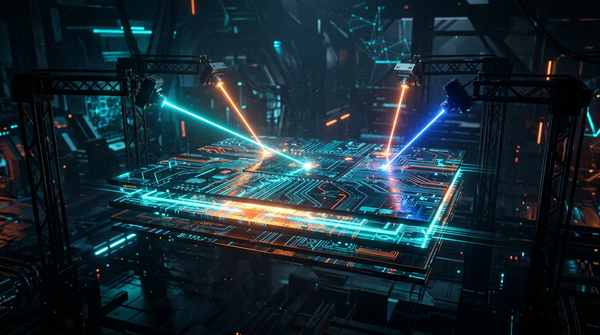
A digital twin is a virtual replica of a physical system, but in the context of SDVs, it’s no longer enough to simulate the mechanical chassis. Engineers must now simulate the entire electronic architecture, including the intricate web of ECUs, sensors, and high-speed data buses. This allows software teams to begin testing their code months—or even years—before the first physical silicon or vehicle frame is available.
The benefit is two-fold: it slashes development costs and ensures higher reliability. By stress-testing the digital twin against thousands of edge cases, manufacturers can identify "ghost in the machine" bugs that only occur during specific electronic load conditions. This shift toward virtual-first engineering is the only way to manage the skyrocketing complexity of modern automotive software stacks.
Source: Semiconductor Engineering