Under the Lens: Federal Probe Intensifies into Tesla FSD Limitations
Federal investigators have upgraded their probe into Tesla’s Full Self-Driving software following reports of poor performance in low-visibility conditions.
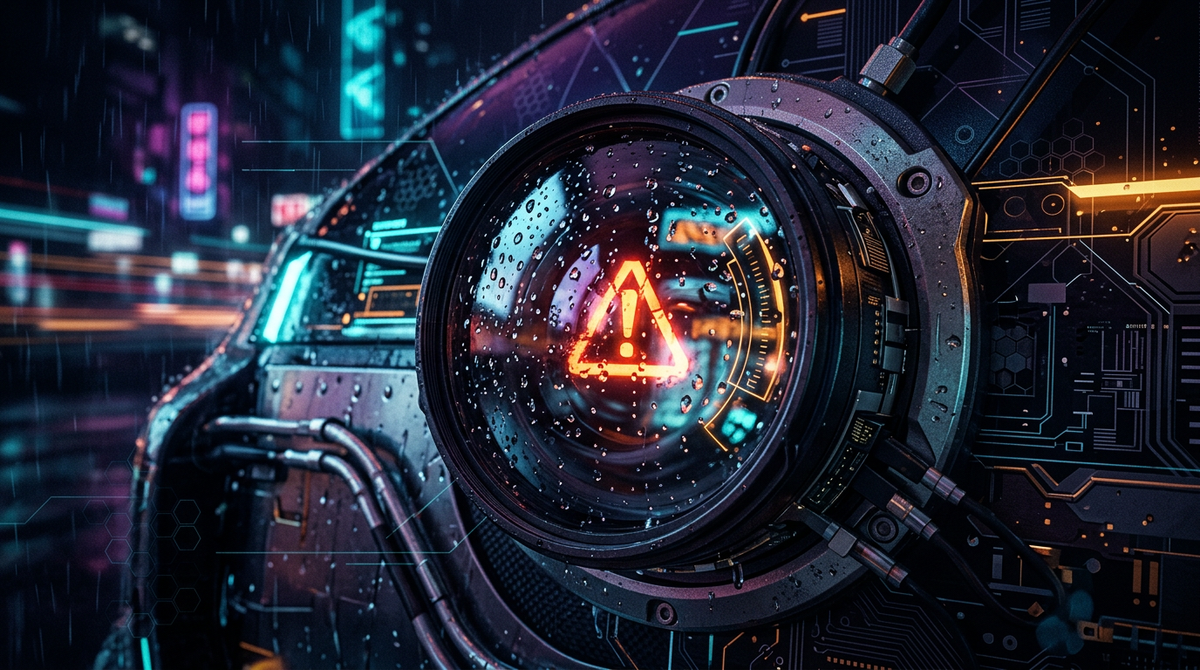
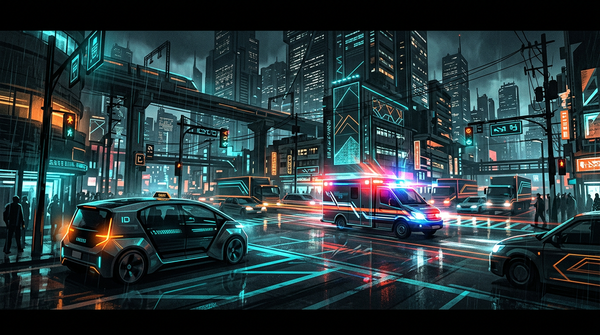
The National Highway Traffic Safety Administration (NHTSA) has intensified its investigation into Tesla’s "Full Self-Driving" (FSD) Supervised software. The upgrade to an "engineering analysis"—a step that often precedes a formal recall—comes after evidence surfaced of the system struggling significantly in low-visibility environments, such as heavy fog, rain, or sun glare. This probe is a critical moment for Tesla’s "vision-only" philosophy, which eschews lidar and radar in favor of cameras and neural networks.
The investigation highlights a persistent tension in the ADAS (Advanced Driver Assistance Systems) world: the gap between marketing and technical reality. While Tesla continues to promote FSD as a nearly-autonomous system, federal regulators are increasingly concerned that the "Supervised" nature of the system isn't enough to mitigate hardware limitations in adverse weather. The probe will examine how the software processes visual data when the primary input is obscured, and whether the system provides adequate warnings to the driver to take over.
For the ADAS industry, the outcome of this investigation will set precedents for how "level 2+" systems are monitored. If the NHTSA mandates hardware changes or severe software restrictions, it could force a radical rethink of sensor suites across the industry. As the boundary between driver assistance and full autonomy blurs, the regulatory spotlight is sharpening on the reliability of the sensors that serve as the machine's eyes.
Source: TechCrunch