The Software-Defined Sky: Pentagon Modernizes Legacy Fleets via Code
The Pentagon is turning to software updates to modernize aging aircraft fleets, aiming to enhance data sharing and visibility in contested environments. This pivot toward software-defined capabilities allows legacy airframes to remain relevant in modern warfare.
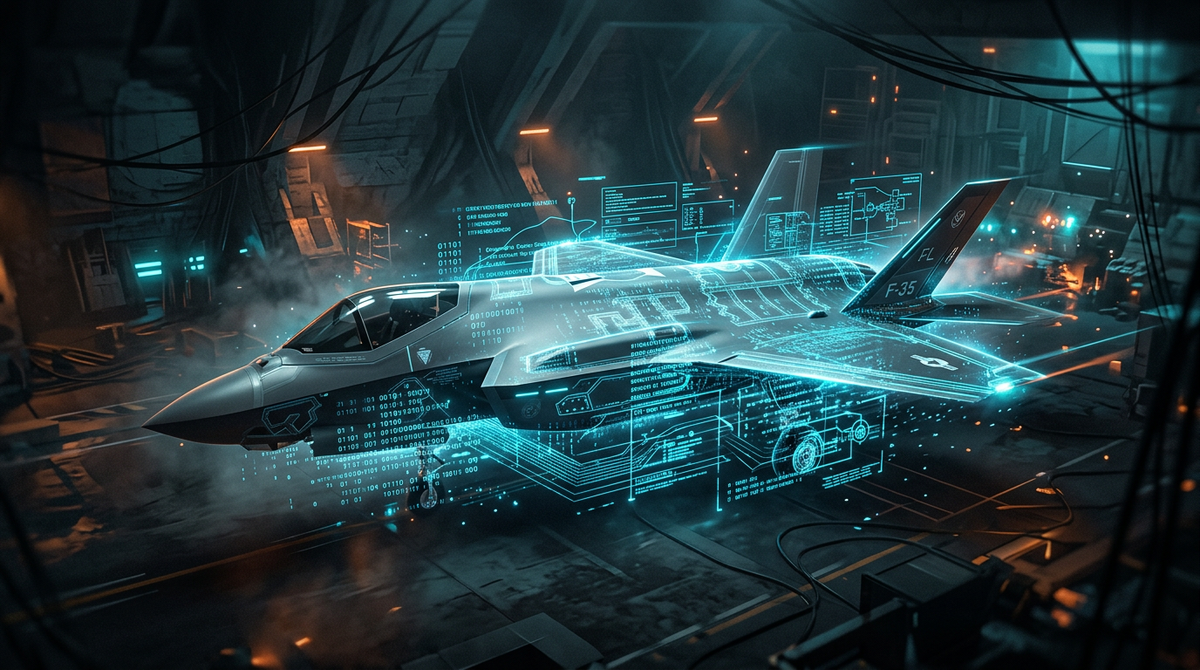
Modern warfare is increasingly being fought in the lines of code rather than just the durability of the airframe. The Pentagon has recently signaled a major shift in its modernization strategy, seeking 'software fixes' to help older aircraft see through the fog of war. This move toward Software-Defined Vehicle (SDV) principles in aerospace is a direct response to mounting aircraft losses and the need for better data integration across disparate platforms.
By decoupling the hardware of legacy planes from their mission-critical software, the Department of Defense aims to update how older aircraft perceive one another and absorb sensor data. Traditionally, upgrading a fighter jet involved years of physical retrofitting; now, the goal is to push over-the-air updates that improve electronic warfare capabilities and situational awareness in near real-time. This approach mirrors the automotive industry's shift toward SDVs, where the vehicle's value is constantly refreshed via software.
As aircraft systems become more interconnected, the challenge shifts toward managing the massive influx of data. The goal is to create a seamless digital 'web' where a 30-year-old tanker and a brand-new stealth fighter share the same operational picture, proving that in the future of defense, the most powerful weapon is a well-optimized algorithm.
Source: Defense One