The Humanoid Inflection Point: From Research Labs to Real-World Utility
Humanoid robots are finding their footing through a combination of DARPA-inspired hardware and new generative AI training methods. Experts suggest the 'moment' for humanoids has arrived, as they transition from lab curiosities to factory floor laborers.
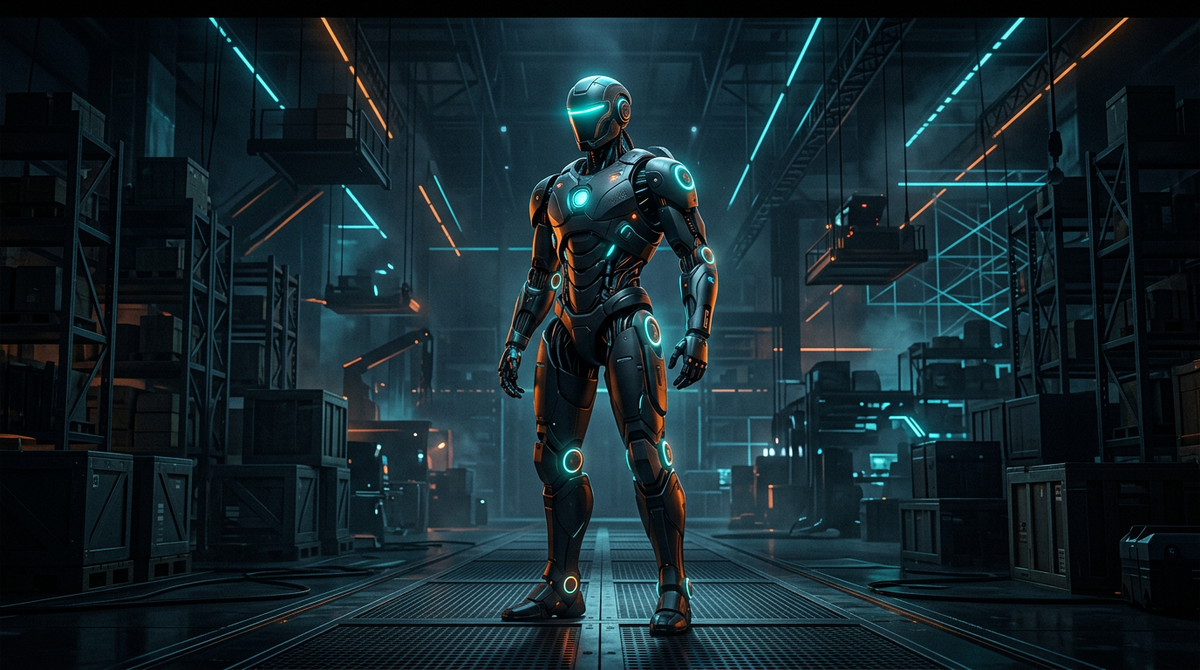
For decades, humanoid robots were the stuff of science fiction or expensive university research projects. However, according to industry veterans like Gill Pratt, the technical and economic "moment" for humanoids is finally here. This resurgence is driven by two main factors: the maturation of high-torque actuators and the explosion of generative AI for motor control. Rather than being programmed with rigid code, modern humanoids are "learning" to move by observing human motion and being trained in simulated environments.
The legacy of the DARPA Robotics Challenge (DRC) is evident in this new wave of machines. The ruggedness and balance required for disaster response are now being translated into commercial utility. Companies like Boston Dynamics and Agility Robotics are demonstrating humanoids like Digit, which can now "learn to dance" or perform tasks virtually overnight through reinforcement learning. This adaptability is key; for robots to be useful in human-centric environments like homes or offices, they must be able to navigate the same stairs, doorways, and tools designed for people.
Furthermore, the focus is shifting from "can it walk?" to "how do humans feel about it?" Research into human attitudes toward robots is becoming as critical as the engineering itself. To achieve successful factory integration, these robots must not only be efficient but also predictable and communicative in their movements. As humanoid robots begin their first real deployments in logistics and light manufacturing, the industry is watching closely to see if they can truly bridge the gap between specialized automation and general-purpose labor.
Source: IEEE Spectrum