The Human Override: Why First Responders Are Getting Behind the Wheel of Waymos
Waymo’s robotaxis are facing a new hurdle: the need for human intervention. TechCrunch reports that first responders have had to physically take control of and move Waymo vehicles at active crime scenes and emergency sites.
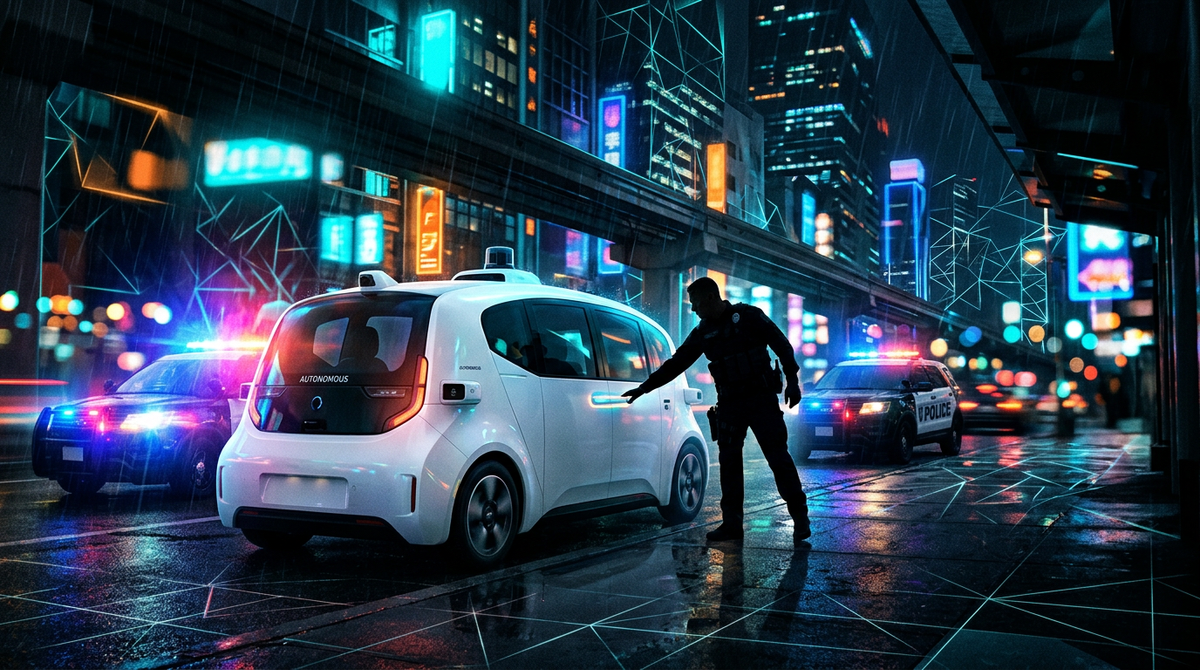
The promise of full Level 4 autonomy is being tested by the messy reality of urban emergency response. Recent reports indicate that Waymo’s self-driving vehicles, often touted as the gold standard of robotaxi technology, still require a "human touch" when things go wrong on the pavement. Specifically, first responders in San Francisco and Phoenix have found themselves physically entering and driving Waymo vehicles to clear paths at crime scenes and fire emergencies.
This highlights a significant gap in current autonomous vehicle (AV) logic: the "edge case" of an emergency scene. While Waymo vehicles are programmed to yield to sirens and pull over, an active, evolving scene—where police might need a car to move onto a sidewalk or reverse through a narrow gap—remains difficult for remote operators to navigate via software alone. In at least two instances, police officers had to use internal controls to manually relocate the vehicles.
Waymo has responded by iterating on its first-responder training and software protocols. The company provides a "First Responder Guide" that explains how to disable autonomous mode and move the vehicle manually. However, the necessity of this physical intervention underscores that even the most advanced AV systems aren't yet fully "set it and forget it." As robotaxis scale to more cities, the interface between autonomous fleets and emergency services will need to move beyond manuals and toward seamless, prioritized communication links.
Source: TechCrunch