The Dawn of Physical AI: Transforming Industries from the Inside Out
NVIDIA is bridging the gap between digital intelligence and physical action, highlighting new breakthroughs in 'Physical AI' that allow robots to navigate complex environments and interact with the real world using foundation models.
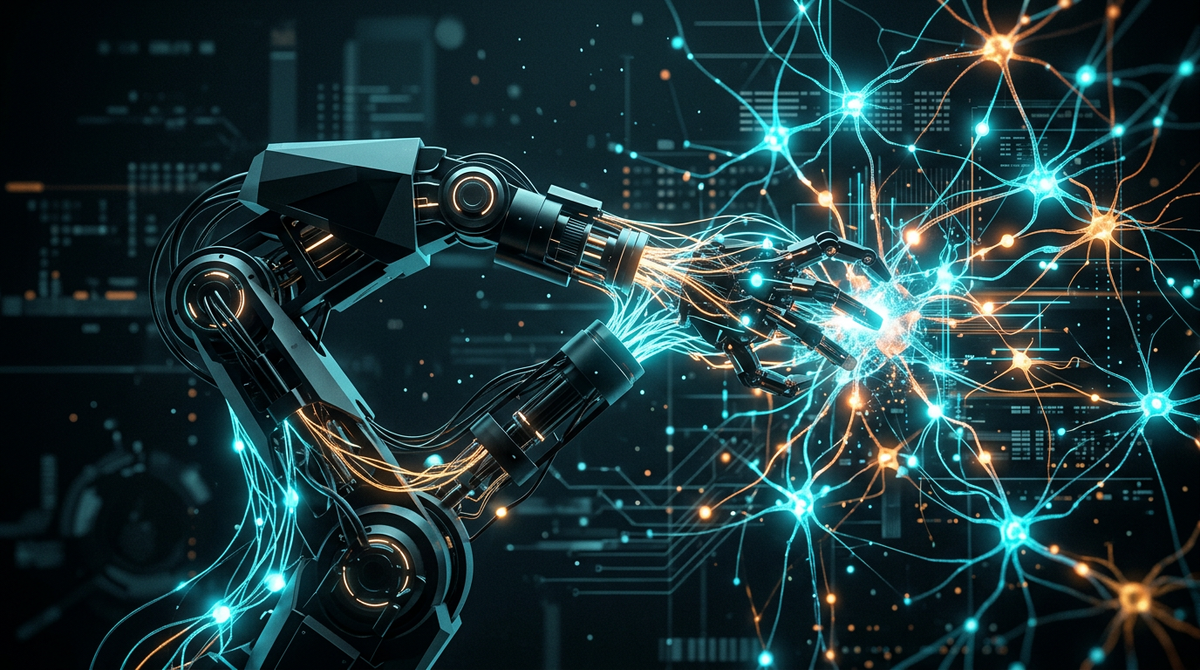
The boundary between digital reasoning and physical execution is dissolving. During the latest National Robotics Week, the industry has shifted its focus toward 'Physical AI'—the concept of embedding sophisticated artificial intelligence directly into the sensors and actuators of machines. This transition is moving beyond simple automation toward systems that can perceive, reason, and act in unstructured human environments.
Central to this evolution are large-scale foundation models designed specifically for embodiment. Much like how large language models (LLMs) revolutionized text, these new models allow robots to understand spatial relationships and multi-step instructions without being explicitly programmed for every scenario. From massive industrial warehouses to delicate agricultural tasks, the integration of real-time multi-modal AI is enabling a new generation of 'smart' machines.
The implications for industry are profound. We are seeing a move toward 'General Purpose' robotic systems that utilize simulation-to-real (Sim2Real) reinforcement learning. By training in high-fidelity digital twins, these physical agents can master complex motor skills before ever stepping onto a factory floor. This accelerated development cycle is bridging the gap between theoretical AI and its practical, physical application in our daily lives.
Source: NVIDIA Blog