The Badge vs. The Bot: Emergency Responders Forced to Seize Control of Robotaxis
Waymo's robotaxis are facing new real-world challenges as first responders are increasingly forced to manually intervene and move autonomous vehicles during active crime scenes and emergency situations.
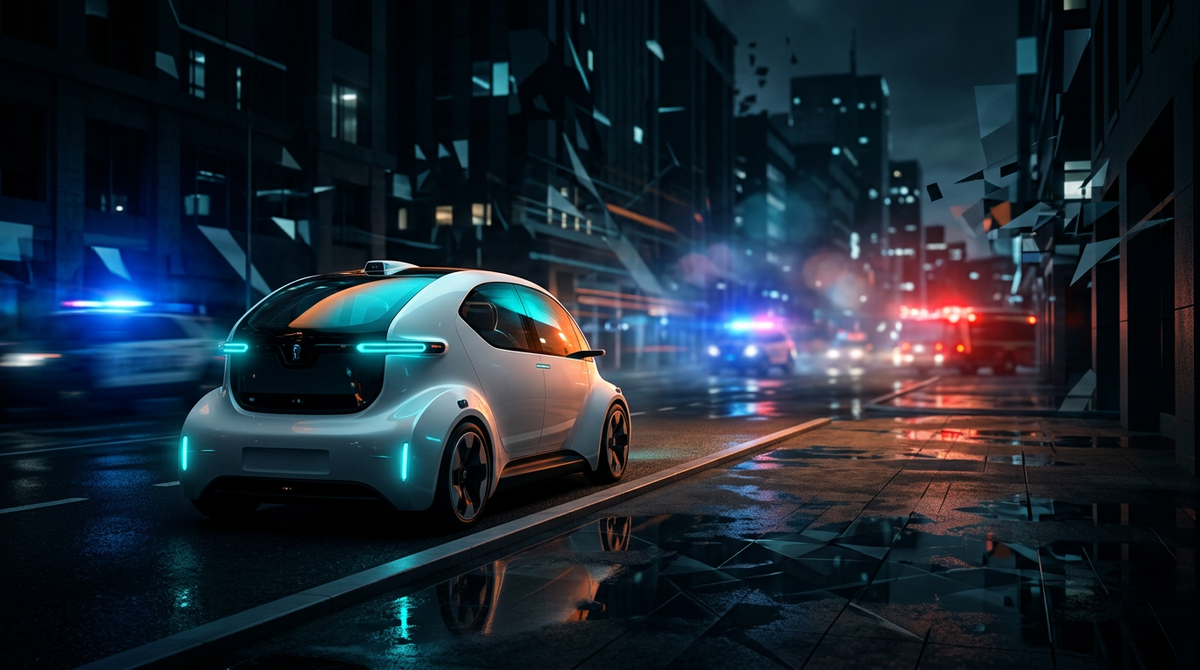
As autonomous vehicles become permanent fixtures on city streets, the interaction between AI drivers and emergency services is reaching a critical inflection point. Recent reports indicate that first responders have had to take physical control of Waymo robotaxis to clear paths at active crime scenes and emergency zones. While Waymo has designed "First Responder" protocols, the chaotic nature of emergency sites—where hand signals and non-standard roadblocks are common—continues to baffle even the most advanced sensor suites.
These incidents highlight a significant gap in autonomous vehicle deployment: the ability to handle "edge cases" that involve human authority and emergency urgency. In at least two instances, police officers had to enter the vehicles and use manual override features to relocate the cars, which were obstructing emergency vehicles or potentially contaminating evidence sites. Waymo maintains that its vehicles are designed to pull over when they detect sirens or lights, but "pulling over" is not always the correct action in a dynamic tactical situation.
This friction between robotaxis and public safety officials is prompting a reevaluation of how autonomous fleets are managed in real-time. Moving forward, the industry may need more robust remote-assistance tools or specialized training for police and fire departments to interact with uncrewed vehicles. As companies like Waymo and Zoox expand their footprints, the social contract between the robot and the road-manager (the police) must be codified through better software and hardware interfaces.
Source: TechCrunch