The Architecture of Embodiment: How Physical AI Is Reshaping Industry
As National Robotics Week highlights breakthroughs in embodied intelligence, the transition from digital models to physical agents is accelerating across agriculture and manufacturing through massive simulation and generative AI.
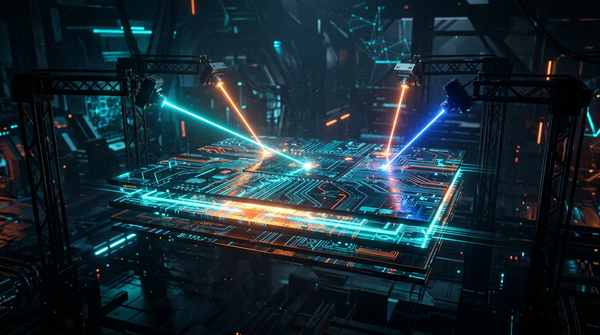
The boundary between digital intelligence and physical movement is dissolving as the era of Physical AI takes center stage. During the latest National Robotics Week, industry leaders showcased how generative AI is no longer confined to chatbots but is being used to teach machines to interact with the world. This transition relies heavily on the 'three-computer' architecture: one for AI training, one for high-fidelity simulation in virtual worlds, and one for real-time inference within the robot itself.
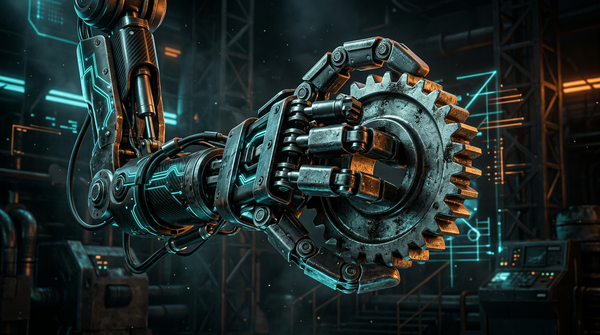
A critical driver of this progress is the ability to generate synthetic data for training. By using platforms that adhere to the laws of physics, developers can train robotic foundation models in a fraction of the time required for real-world testing. This approach is already transforming sectors like agriculture, where robots are learning to identify and manage crops autonomously, and industrial manufacturing, where robots are becoming increasingly adaptable to unstructured environments.
Ultimately, the goal of Physical AI is to create machines that possess a 'common sense' understanding of their surroundings. By integrating multimodal LLMs with robotic control systems, researchers are enabling machines to understand complex instructions and perform tasks that were previously impossible to program manually. This shift represents the most significant leap in robotics since the introduction of the industrial arm.
Source: NVIDIA Blog