The ADAS Paradox: Gamification Meets Real-World Frustration
New software updates for Tesla's driver assistance system highlight a shift toward 'streaks' and status, while Avride faces community backlash in Texas following a fatal incident involving local wildlife.
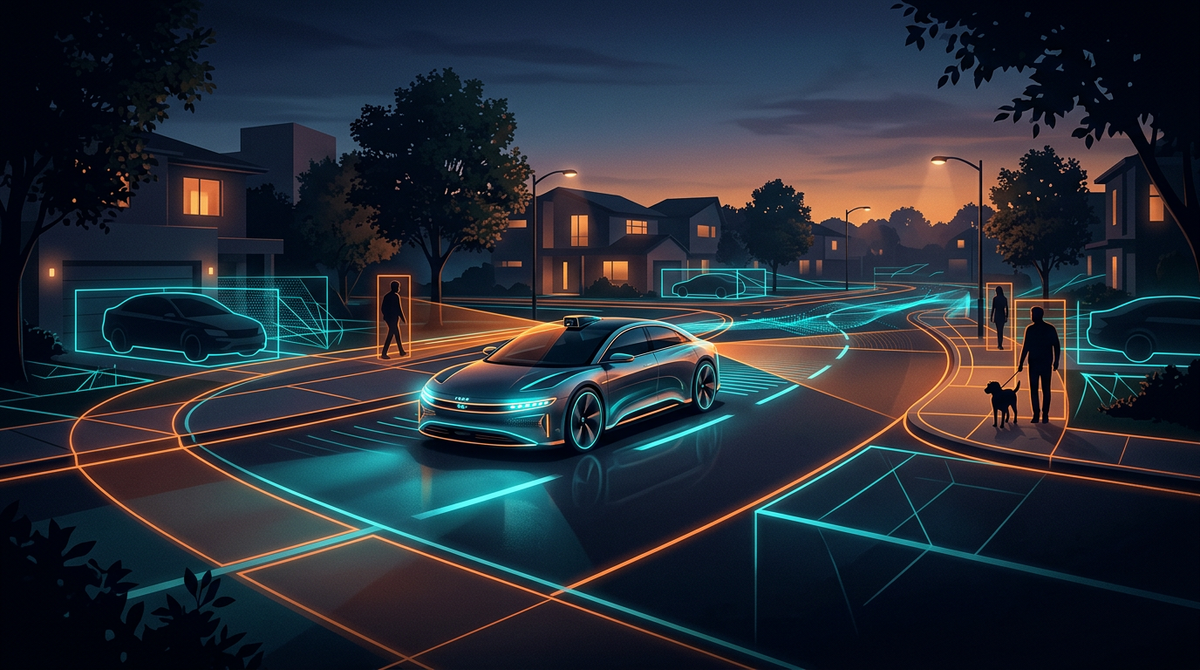
Advanced Driver Assistance Systems (ADAS) are undergoing a dual transformation: they are becoming more engaging for users and more scrutinized by the public. While Tesla is currently focused on gamifying its Full Self-Driving interface with "streaks" to keep users engaged, other companies are learning the hard way that public trust remains fragile. In Austin, Texas, an autonomous vehicle operated by Avride recently sparked local outrage after striking and killing a mother duck, highlighting the ongoing challenges of "edge case" detection in suburban environments.
Witnesses reported that the vehicle failed to slow down or even "hesitate" before the collision, suggesting a gap in the system's ability to identify and react to small, non-human obstacles. This incident serves as a stark reminder that even as ADAS moves closer to full autonomy, the ethical and social expectations placed on these systems are significantly higher than those placed on human drivers. A human might have braked; the machine, programmed for efficiency and safety against major hazards, may not have perceived the threat.
As ADAS evolves, features like Tesla's usage stats may increase the quantity of data collected, but incidents like the one in Austin underscore the need for a higher quality of situational awareness. For the ADAS industry to reach mass acceptance, the technology must master both the highway miles and the unpredictable behavior of local wildlife in neighborhood streets.
,image_prompt:
Source: TechCrunch