Tesla Scales ‘Robotaxi’ to Dallas and Houston Amid Geofence Constraints
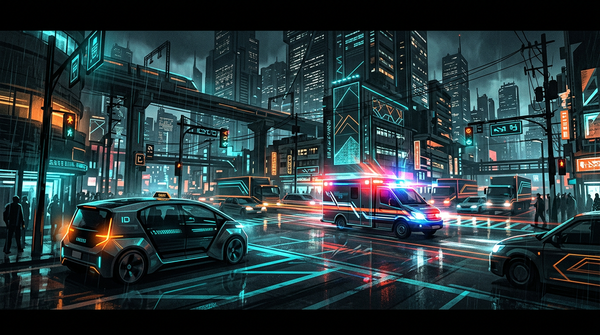
Tesla has officially expanded its Robotaxi service to Houston and Dallas, though the initial rollout is characterized by tight geofencing and limited vehicle availability. The move signals a strategic shift toward a supervised autonomous hailing model.
Tesla’s long-promised foray into the ride-hailing market has taken a significant step forward with the launch of its "Robotaxi" service in Dallas and Houston. This follows the initial pilot phase in Austin and San Francisco, marking the first time the electric vehicle giant has scaled the service to new metropolitan hubs simultaneously. However, the rollout has been met with both excitement and skepticism from industry analysts.
Current reports indicate that the "Robotaxi" service is operating within highly specific geofenced areas, a departure from Tesla’s usual "drive anywhere" philosophy associated with its Full Self-Driving (FSD) software. Furthermore, early users have noted a distinct lack of available vehicles on the app, leading some to suggest the launch is more of a "soft opening" or a strategic move ahead of quarterly earnings reports. Unlike competitors like Waymo, which utilize Lidar-heavy sensor suites, Tesla relies entirely on a vision-based approach, which continues to be a point of contention among autonomous vehicle experts.
The expansion in Texas is a litmus test for Tesla’s ability to manage a fleet of autonomous vehicles at scale. To succeed, the company must move beyond tech enthusiasts and satisfy the reliability requirements of daily commuters. While the geofences are currently small, they represent the front lines of Tesla’s battle to prove that its "vision-only" autonomous hardware can navigate the complex, high-speed environments of major American cities without the safety net of high-definition maps or expensive Lidar sensors.
Source: Electrek