Synthesis of Reality: How Virtual Worlds are Forging the Next Generation of Physical AI
NVIDIA is bridging the gap between digital twins and reality, using its Omniverse platform to train AI agents in physics-accurate virtual worlds before deploying them into the physical realm.
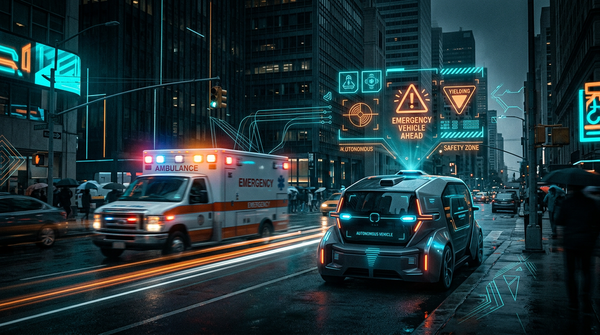
The boundary between the digital and physical worlds is eroding. At the latest GTC event, NVIDIA showcased how its Omniverse platform has evolved from a collaborative 3D tool into the primary training ground for the "Physical AI" era. By creating physics-accurate digital twins, developers can now train autonomous machines, factory robots, and sensor systems in virtual environments that perfectly mimic real-world constraints.
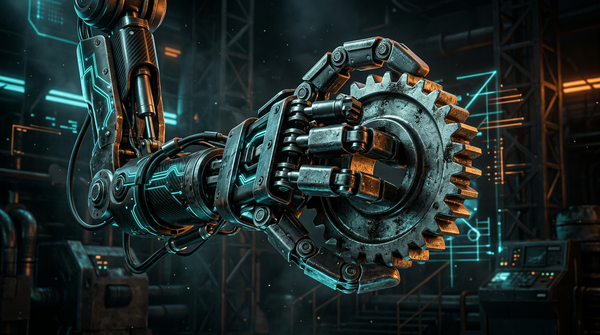
Physical AI represents a shift from large language models that process text to models that understand the laws of physics. Training a robot to navigate a cluttered warehouse or an autonomous arm to pick up fragile objects requires millions of iterations. In the physical world, this is slow and risks expensive hardware damage. Within the Omniverse, these iterations happen at warp speed. These "gyms" allow AI agents to experience thousands of years of trial and error in a matter of days, ensuring that when the code is finally uploaded to a physical chassis, the machine "knows" how to interact with its environment safely.
Furthermore, NVIDIA's focus on OpenUSD (Universal Scene Description) ensures that these virtual worlds are interoperable. This ecosystem allows for the integration of diverse data streams—from CAD designs to real-time LIDAR feeds—creating a continuous feedback loop. As we move toward a world of billionaire-scale robotic deployments, the virtual world isn't just a simulation; it is the essential substrate for physical intelligence.
Source: NVIDIA Blog