Software-Defined Warfare: Pentagon Eyes Digital Fixes for Aging Aircraft Legacy
The Pentagon is seeking advanced software solutions to update older aircraft, allowing them to absorb battlefield data and maintain visibility despite mounting losses and electronic interference.
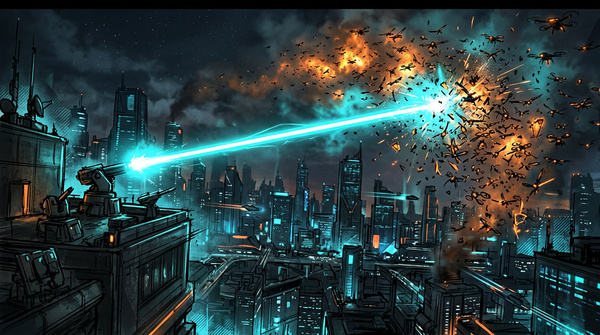
As the "fog of war" becomes increasingly cluttered with electronic warfare and drone activity, the U.S. Department of Defense is turning to Software-Defined Vehicle (SDV) principles to keep its legacy air fleet relevant. With aircraft losses mounting in recent conflicts, the Pentagon has identified a critical need for software fixes that allow older airframes to "see" each other and integrate disparate data streams in real-time.
The initiative reflects a broader shift toward modular, software-centric architectures in defense. By decoupling the hardware—the physical aircraft—from its sensory and communication capabilities, the military can deploy rapid updates to counter emerging threats without grounded missions for lengthy hardware retrofits. This approach treats the aircraft as a flying node in a massive, software-driven network, capable of absorbing and processing data on the fly.
This software-first strategy is designed to provide pilots with a clearer operational picture even when traditional radar or GPS is jammed. By utilizing agentic AI and updated data protocols, these software-defined systems can filter noise and prioritize critical battlefield information. It is no longer just about the aerodynamics of the jet; it is about the agility of the code running the cockpit.
Source: Defense One