Software-Defined Fleets: The U.S. Navy’s Digital Transformation Accelerates
The U.S. Navy has selected Leidos and Defense Unicorns to prototype next-generation software architectures for naval vessels, emphasizing the shift toward software-defined capabilities at sea.
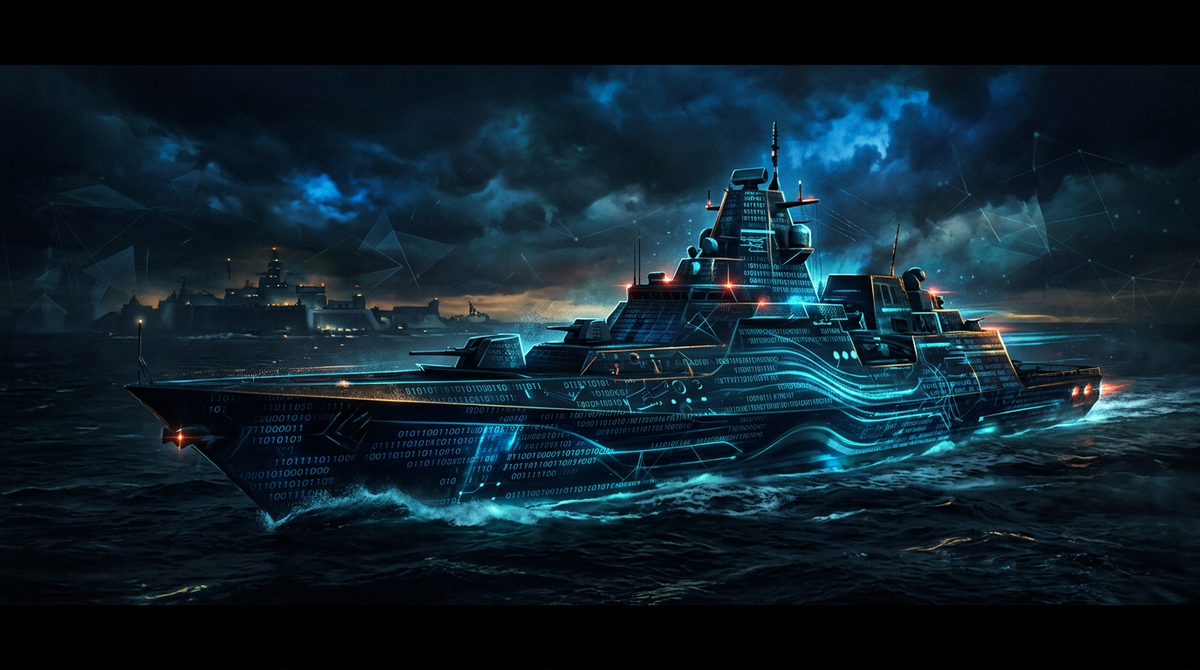
Modern naval warfare is increasingly dictated not by the thickness of a ship's hull, but by the agility of its code. In a move to modernize its fleet, the U.S. Navy has tapped Leidos and Defense Unicorns to develop and test software prototypes under a new 'software-defined' initiative. This push aims to decouple hardware from software, allowing for rapid over-the-air updates and the deployment of new capabilities in real-time response to emerging threats.
The project focuses on creating a unified environment where mission-critical applications can run across heterogeneous naval systems. By moving away from monolithic, proprietary hardware-software stacks, the Navy hopes to eliminate 'vendor lock-in' and foster a more modular ecosystem. This approach mirrors the transformation seen in the automotive industry with Software-Defined Vehicles (SDVs), where the vehicle is essentially a platform for continuous software innovation.
The partnership with Defense Unicorns, known for their expertise in secure, cloud-native deployments, highlights the military’s urgency to bring 'DevSecOps' to the tactical edge. Testing these prototypes in lab-based environments is the first step toward a future where a destroyer can receive an AI-based sensor upgrade or a new electronic warfare patch while still on active deployment, thousands of miles from the nearest dry dock.
Source: Breaking Defense