Simulating Reality: How NVIDIA Omniverse is Engineering the Physical AI Era
NVIDIA is bridging the gap between digital intelligence and the physical world through its Omniverse platform, using OpenUSD and high-fidelity simulation to train AI models before they ever touch real-world hardware.
The era of Physical AI has arrived, fueled by the realization that for artificial intelligence to truly innovate, it must interact with the world around it. At the heart of this movement is the NVIDIA Omniverse, a platform built on OpenUSD (Universal Scene Description) that serves as a massive, high-fidelity playground for training AI. By creating "digital twins"—exact virtual replicas of factories, warehouses, and urban environments—engineers can train AI agents with a degree of speed and safety impossible in the physical realm.
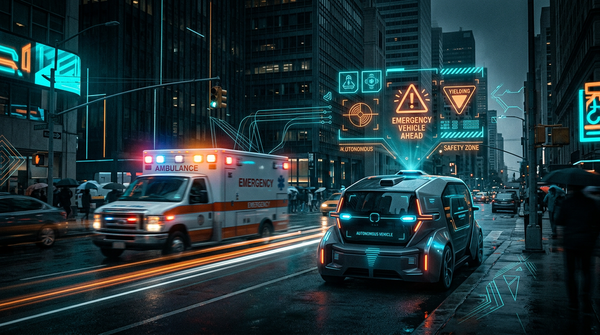
This approach, showcased at the recent GTC conference, emphasizes simulation-to-reality (sim-to-real) transfer. Developers are no longer restricted by the physical wear and tear of hardware or the slow passage of real time. Instead, they can run thousands of iterations of a robot’s task or a vehicle’s perception system simultaneously in the cloud. This virtual validation ensures that when the AI is finally uploaded into a physical machine, it already possesses the "experience" required to handle complex, unpredictable environments.
Furthermore, the integration of generative AI within these virtual worlds allows for the automatic creation of diverse training scenarios. From varying weather conditions to unexpected obstacles, Physical AI models are being stress-tested in the Omniverse to ensure robustness. This represents a paradigm shift where the software isn't just controlling the machine; it is learning from a simulated version of the machine's entire existence.
Source: NVIDIA Blog