Sea Power Evolution: Why Ukraine’s Robot Navy Isn’t a Blueprint for the US
While the US military faces hurdles in replicating Ukraine’s decentralised 'robot navy,' commanders emphasize that human-centric command and control will remain vital even as the Pacific fills with autonomous vessels.
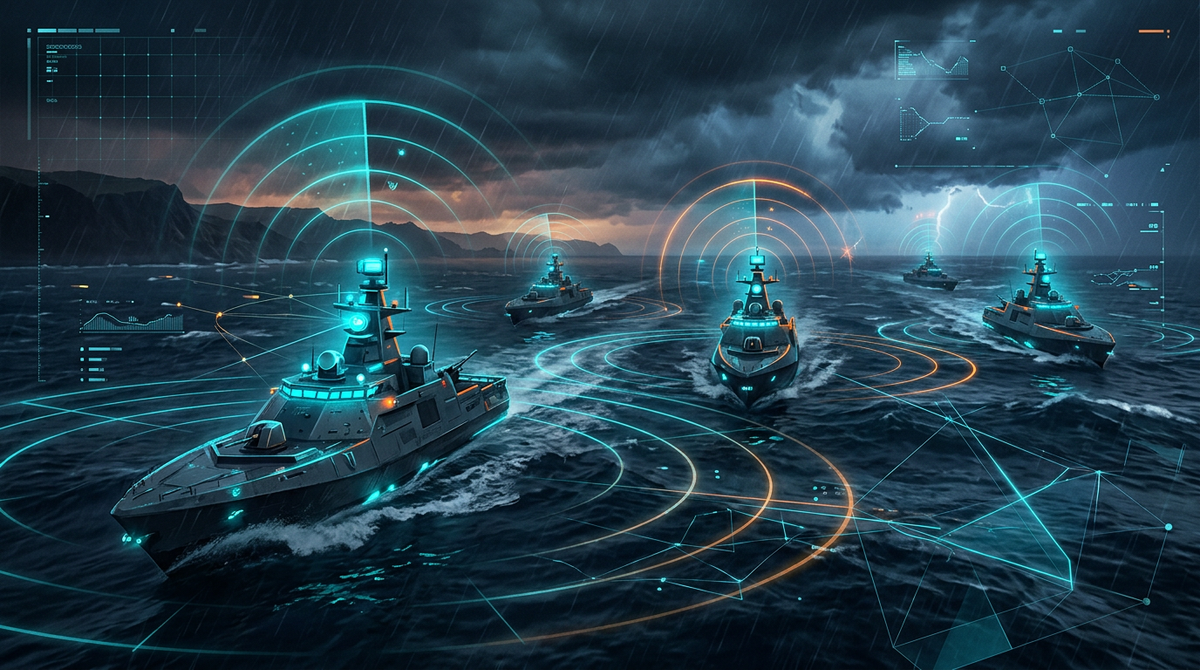
The success of Ukraine’s maritime drone fleet in the Black Sea has sparked intense debate within the Pentagon regarding the future of naval warfare. However, experts and military leaders suggest that the U.S. Navy cannot simply "copy-paste" the Ukrainian model for use in a potential conflict in the Pacific. The primary reason lies in the complexity of Command and Control (C2) in a contested, high-end environment where communication links are frequently jammed or disrupted.
Unlike the localized and relatively shallow-water engagements in the Black Sea, the Pacific theater presents vast distances and deep-water challenges that require more sophisticated autonomous systems. While Ukraine’s "robot navy" relies on scrappy, fast-moving surface vessels, the U.S. Navy is looking toward more durable, long-range autonomous platforms that can integrate with existing carrier strike groups. The focus remains on maintaining a "human-in-the-loop" philosophy, where AI manages the mundane navigational tasks while humans make the final kinetic decisions.
The Pentagon’s Replicator initiative is currently pushing for thousands of low-cost, attrition-tolerant systems, but the infrastructure to manage these assets across thousand-mile spans remains a work in progress. As the Pacific fills with "robo-boats," the challenge is not just the hardware, but the resilient data networks required to tell them where to go and when to strike. The mission for the U.S. Navy is to find a balance between the agility of Ukraine’s drone tactics and the strategic necessity of a global, carrier-based power projection.
,image_prompt:
Source: Defense One