SDV Over Profits: Why Rivian is Delaying Gains to Own the Autonomy Stack
Rivian is prioritizing long-term autonomous capabilities over short-term profitability. By delaying its 2027 EBITDA goals, the company is doubling down on the software-defined architecture required for true vehicle intelligence.
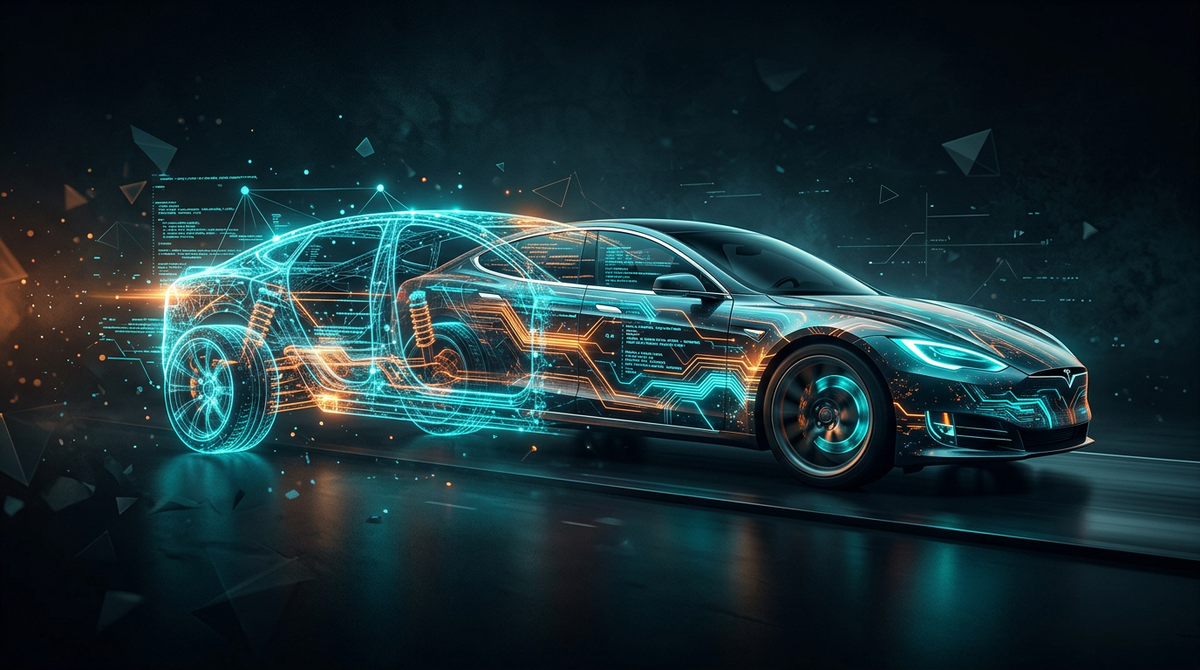
Rivian has officially shifted its roadmap, signaling to investors that the future of the company lies in its software-defined vehicle (SDV) capabilities rather than immediate quarterly margins. In a recent regulatory filing, the EV maker admitted it would delay its goal of reaching positive EBITDA to further fund the development of its integrated autonomy and vehicle software stack.
This decision highlights the immense capital requirements needed to build a modern SDV from the ground up. Unlike legacy manufacturers who struggle with "spaghetti code" across hundreds of third-party ECUs, Rivian utilizes a centralized compute architecture. This allows for over-the-air (OTA) updates that can fundamentally change the vehicle’s behavior, performance, and autonomous features.
While the delay in profitability may spook some short-term investors, it underscores a fundamental truth in the modern automotive industry: hardware is becoming a commodity, while software and autonomy represent the true value proposition. Rivian’s sacrifice today is a gamble on becoming the dominant platform-provider for the intelligent vehicles of tomorrow.