Scaling Reality: How Physical AI is Redefining Industrial Autonomy
NVIDIA is pushing the boundaries of Physical AI by scaling transformer models into the tangible world. Through initiatives like National Robotics Week, the industry is witnessing a shift where foundation models are no longer confined to screens but are actively manipulating physical environments.
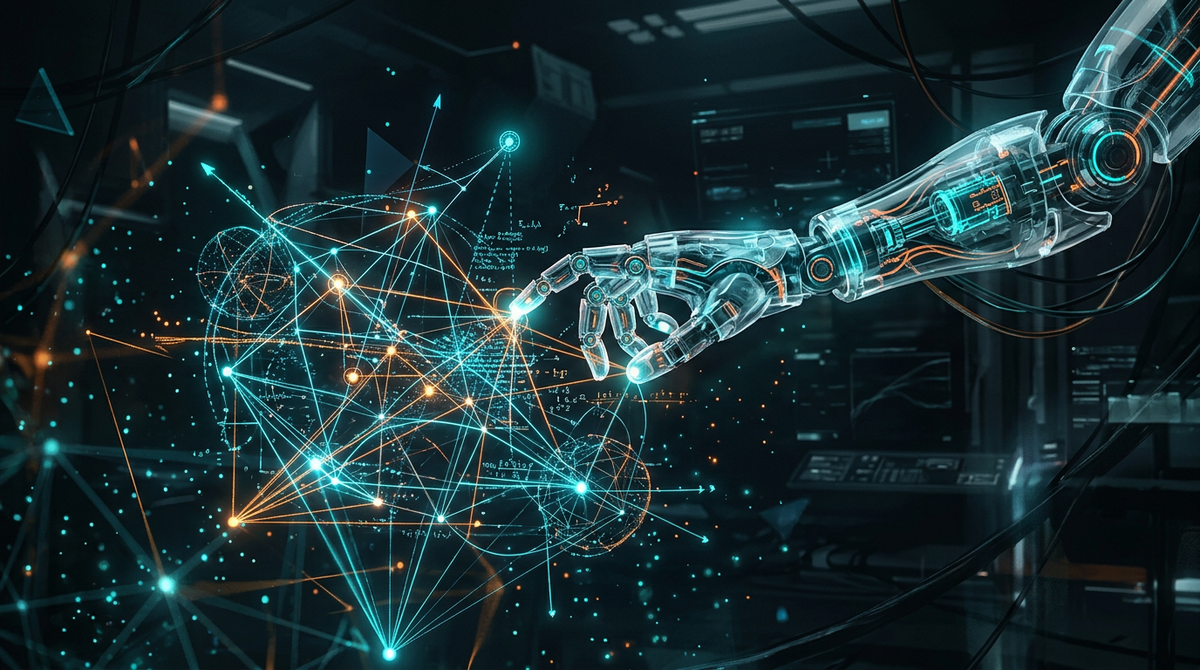
The transition of artificial intelligence from digital assistants to physical entities marks a pivotal moment in engineering. During the recent National Robotics Week, NVIDIA showcased how its accelerated computing platforms are bridging the "sim-to-real" gap, enabling robots to understand and interact with the physical world with unprecedented fidelity. This evolution is driven by Physical AI—a discipline that merges large-scale transformer models with real-time physics simulation to empower autonomous machines.
At the center of this movement is the realization that general-purpose AI requires a physical body to truly understand context and causality. By utilizing platforms like Isaac and Jetson, developers are now training robots in photorealistic, physically accurate virtual environments before deploying them into factories, farms, and hospitals. This methodology allows for the rapid scaling of capabilities that once took years of manual coding. The key breakthrough lies in the ability of these systems to generalize tasks; a robot trained to sort items in a simulation can now adapt to unfamiliar objects in a chaotic warehouse setting without extensive retraining.
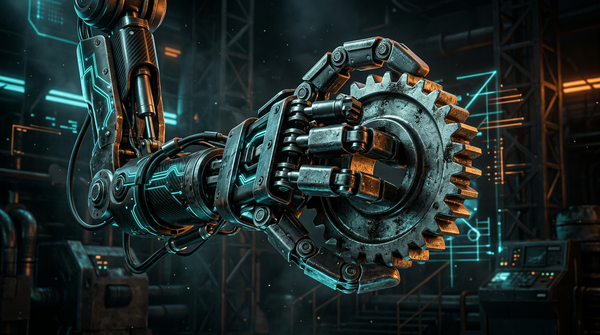
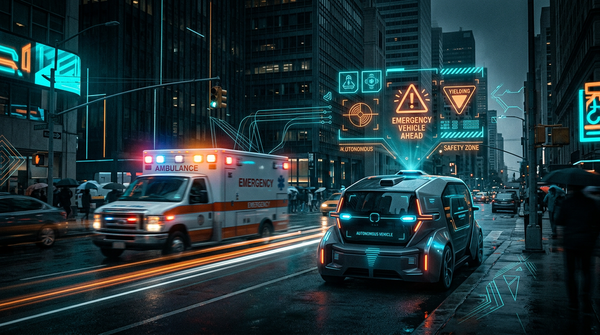
Furthermore, the integration of generative AI into physical systems allows for natural language interaction with hardware. Operators can now issue complex commands to autonomous fleets, which the AI translates into precise mechanical actions. As we move further into 2026, the bottleneck is no longer just the hardware, but the data density required to refine these physical interactions. NVIDIA's commitment to providing the underlying "factories" for AI training ensures that Physical AI will remain the primary driver of industrial automation for the next decade.
Source: NVIDIA Blog