Robotic Inspectors: Gecko’s Major Win in U.S. Navy Maintenance Strategy
Gecko Robotics has secured its largest contract to date with the U.S. Navy to deploy climbing robots for fleet maintenance. The deal underscores a shift toward 'predictive maintenance' using high-resolution data captured by robotic systems in extreme environments.
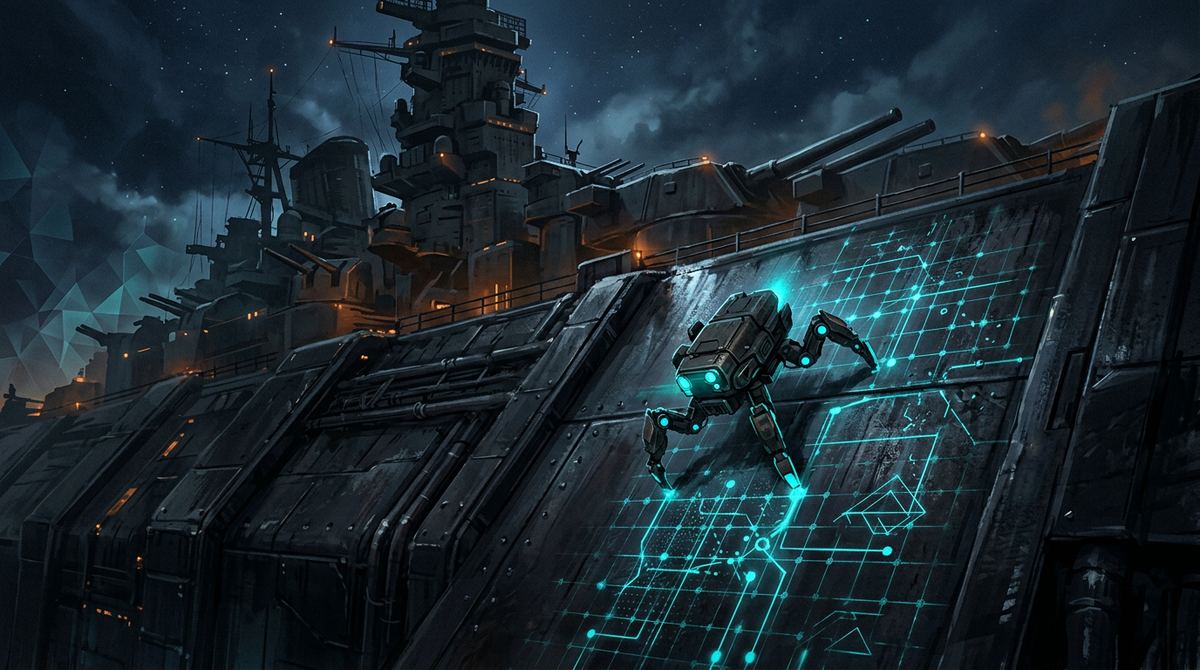
Maintaining a modern navy is as much about data as it is about steel. Gecko Robotics has just landed a five-year deal with the U.S. Navy, the largest robotics contract in the company’s history. Gecko’s robots are designed to crawl along the hulls of ships, using ultrasonic sensors to detect corrosion and structural weaknesses that are invisible to the naked eye. This move away from manual inspections is expected to drastically reduce the time ships spend in dry dock, increasing the operational readiness of the fleet.
What makes Gecko’s approach distinctive is the creation of 'digital twins' of these naval assets. The data captured by the robots is fed into a cloud-based platform that predicts where a hull will fail before it happens. This is the essence of modern robotics in the industrial and defense sectors: it’s not just about mobility; it’s about high-fidelity data acquisition in places too dangerous or tedious for humans to go. The Navy is effectively hiring a robotic workforce to act as a perpetual health-monitoring layer for its most expensive assets.
The scale of this deal signals that the U.S. military is ready to move past the pilot-program phase of robotics. As the Navy faces pressure to maintain a global presence with limited personnel, autonomous and semi-autonomous systems like those from Gecko are becoming force multipliers. By automating the most grueling parts of ship maintenance, the military can focus its human capital on higher-level strategic challenges, leaving the 'scut work' of hull crawling to the machines.
Source: TechCrunch