Physical AI: NVIDIA Bridges the Gap Between Simulation and Reality
NVIDIA is bridging the gap between digital intelligence and the physical world, showcasing breakthroughs in AI-driven agriculture and industrial robotics. This 'Physical AI' wave focuses on training models in simulation to perform complex, real-world tasks.
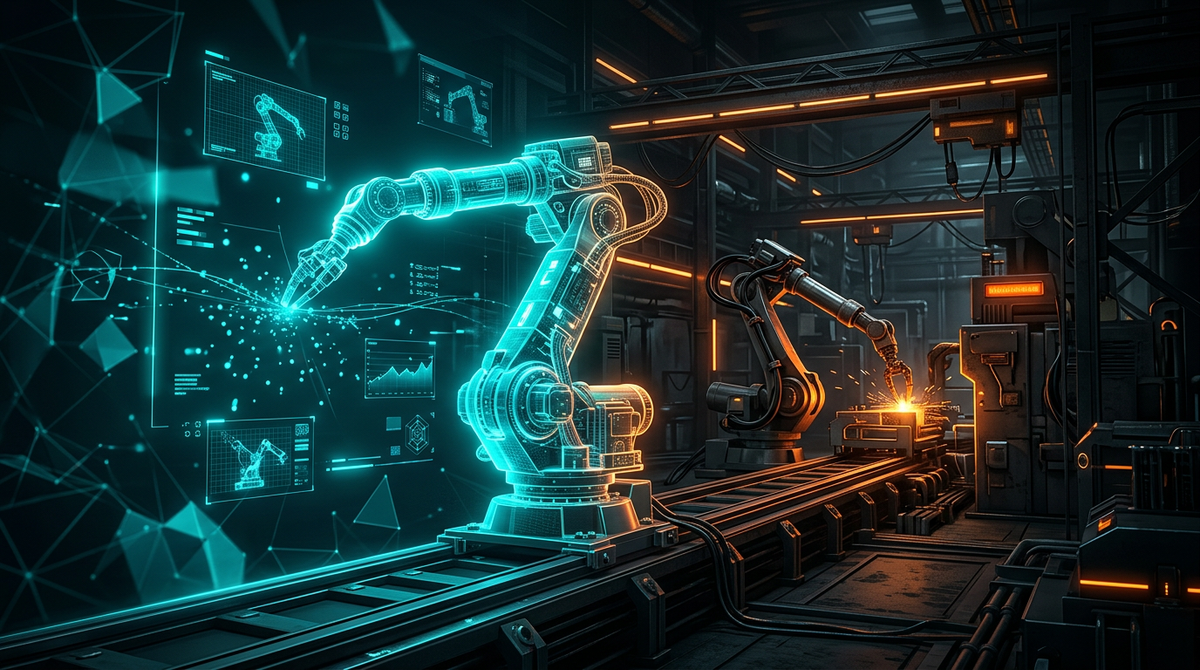
As National Robotics Week 2026 kicks off, the focus has shifted from simple automation to the era of "Physical AI." NVIDIA is at the forefront of this transition, demonstrating how foundation models are increasingly capable of understanding and interacting with the laws of physics. The company’s latest breakthroughs illustrate a future where AI does not just exist on screens but operates within factories, warehouses, and open fields.
The convergence of generative AI and robotics is transforming industries like agriculture, where autonomous systems are now capable of identifying and treating individual crops with surgical precision. By leveraging high-fidelity simulation environments, developers can train these physical agents in virtual worlds—compressing years of learning into days—before deploying them into sensitive real-world environments. This 'simulation-to-reality' pipeline is a cornerstone of the next decade of industrial evolution.
Furthermore, NVIDIA highlighted the role of its Isaac platform in accelerating the deployment of humanoid robots and autonomous mobile robots (AMRs). These systems are becoming more adaptable, moving beyond rigid programmed paths to dynamic, perception-based navigation. As physical AI continues to mature, we are seeing a shift from 'robots that follow instructions' to 'robots that understand their surroundings,' marking a pivotal moment in the history of un-engineering the physical constraints of labor.
Source: NVIDIA Blog