Into the Omniverse: Virtual Worlds Powering the Physical AI Era
NVIDIA is leveraging its Omniverse platform to bridge the gap between digital simulation and the physical world, creating a feedback loop where AI learns in virtual environments before deployment.
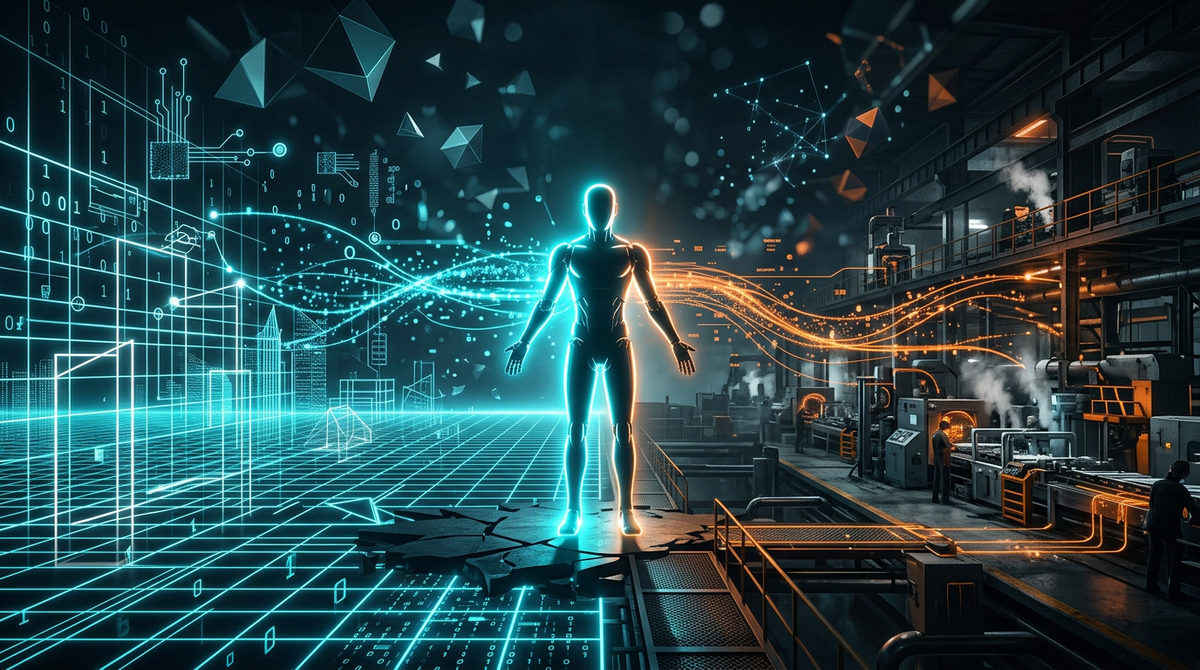
The era of Physical AI has arrived, and it is being forged within the high-fidelity confines of virtual worlds. At the latest NVIDIA GTC, the company demonstrated how its Omniverse platform is no longer just a tool for visual effects, but a critical infrastructure for the next generation of autonomous machines. By using OpenUSD (Open Universal Scene Description), developers are creating "digital twins" of factories, warehouses, and urban environments that obey the laws of physics with startling precision.
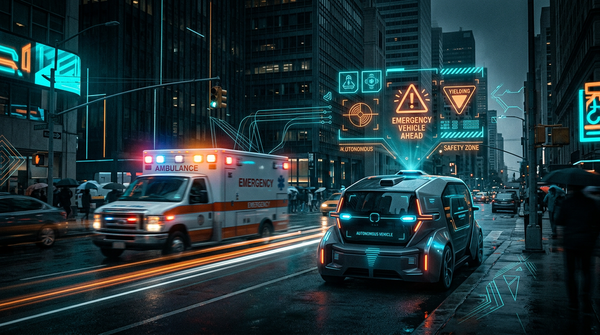
This "sim-to-real" pipeline allows AI models to undergo millions of hours of training in a fraction of the time required in the physical world. For robots and autonomous vehicles, this means encountering rare "edge cases"—such as a child darting into a street or a mechanical failure on a high-speed assembly line—thousands of times in simulation before ever encountering them on a real road or factory floor. NVIDIA’s vision for Physical AI centers on this bidirectional flow: data from the real world informs the simulation, and the refined intelligence from the simulation is then flashed back into the physical hardware.
The integration of generative AI into these virtual workflows further accelerates development. Developers can now use natural language to populate 3D environments or generate synthetic datasets to train vision systems. As these virtual environments become indistinguishable from reality to a neural network, the barrier to deploying complex, multi-modal AI into physical robots is rapidly dissolving, marking a shift from stationary AI to intelligence that moves and interacts with our world.
Source: NVIDIA Blog