Into the Omniverse: Virtual Worlds as the Forge for Physical AI
NVIDIA is leveraging virtual worlds via its Omniverse platform to accelerate the development of Physical AI. By simulating complex environments, developers can train AI models in high-fidelity digital twins before deploying them into real-world physical systems.
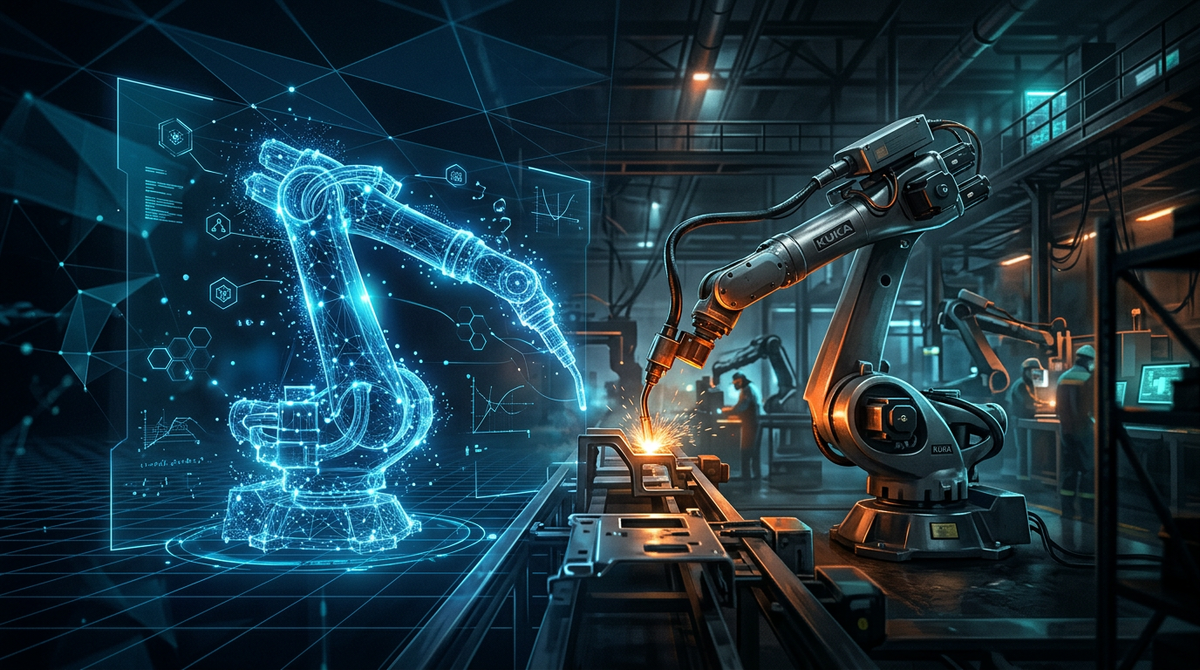
The era of Physical AI has arrived, and it is being built within the confines of virtual worlds. NVIDIA’s GTC showcase recently highlighted how the Omniverse platform is moving beyond mere visualization to become the primary training ground for autonomous systems. Physical AI refers to models that can perceive, reason about, and interact with the three-dimensional world—a feat that requires massive amounts of diverse data that is often too dangerous or expensive to collect in reality.
By utilizing OpenUSD and generative AI, NVIDIA is enabling developers to create physically accurate digital twins. These environments allow for 'reinforcement learning at scale,' where robots or autonomous vehicles can fail thousands of times in a split second without damaging hardware. This bridge between the digital and physical is essential for the next generation of industrial automation, where machines must navigate unpredictable human environments with precision.
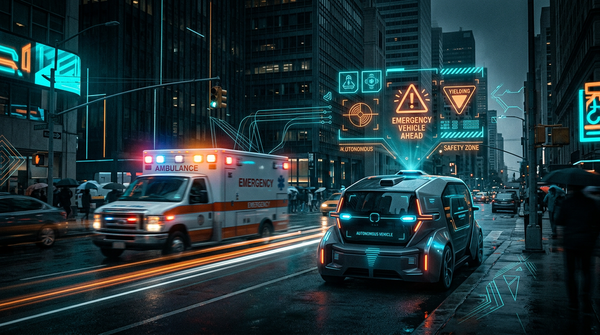
The integration of generative AI within these virtual worlds also allows for the automated creation of 'synthetic data.' This data fills the gaps in real-world datasets, ensuring that Physical AI systems are robust enough to handle edge cases—like rare weather events or sudden obstructions—long before they encounter them on a factory floor or a public street.
Source: NVIDIA Blog