Closing the Sim-to-Real Gap: NVIDIA’s Framework for Physical AI
NVIDIA is bridging the gap between digital neurons and physical movement by integrating simulation, generative AI, and embedded compute to streamline robot learning workflows.
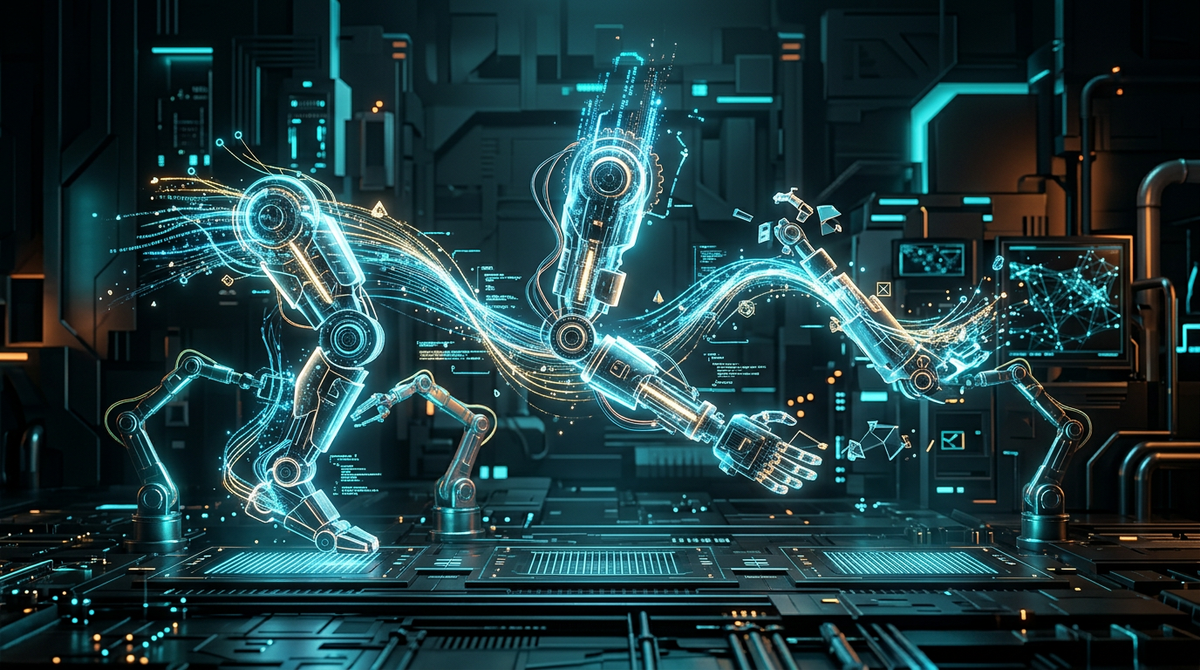
The transition from a neural network on a server to a robot navigating a warehouse has historically been a fragmented process. NVIDIA is aiming to standardize this pipeline with a new suite of open models and frameworks that harmonize simulation, robot learning, and embedded edge compute. By utilizing physically accurate simulation environments, developers can train AI agents in virtual worlds where gravity, friction, and collisions are governed by real-world physics, significantly reducing the "sim-to-real" gap.
Central to this strategy is the concept of foundational models for autonomy. Much like Large Language Models (LLMs) have mastered text, these architectural frameworks allow robots to generalize tasks across different hardware configurations. By deploying these models onto embedded compute platforms, NVIDIA enables a continuous loop where data collected in the field informs the next generation of synthetic training data, creating a self-improving cycle of Physical AI development.