Bridging the Sim-to-Real Gap: NVIDIA’s Blueprint for Physical AI
NVIDIA is bridging the gap between simulation and real-world deployment with new open models and frameworks. By utilizing cloud-to-robot workflows, developers can now train agents in high-fidelity virtual environments before deploying them to physical hardware.
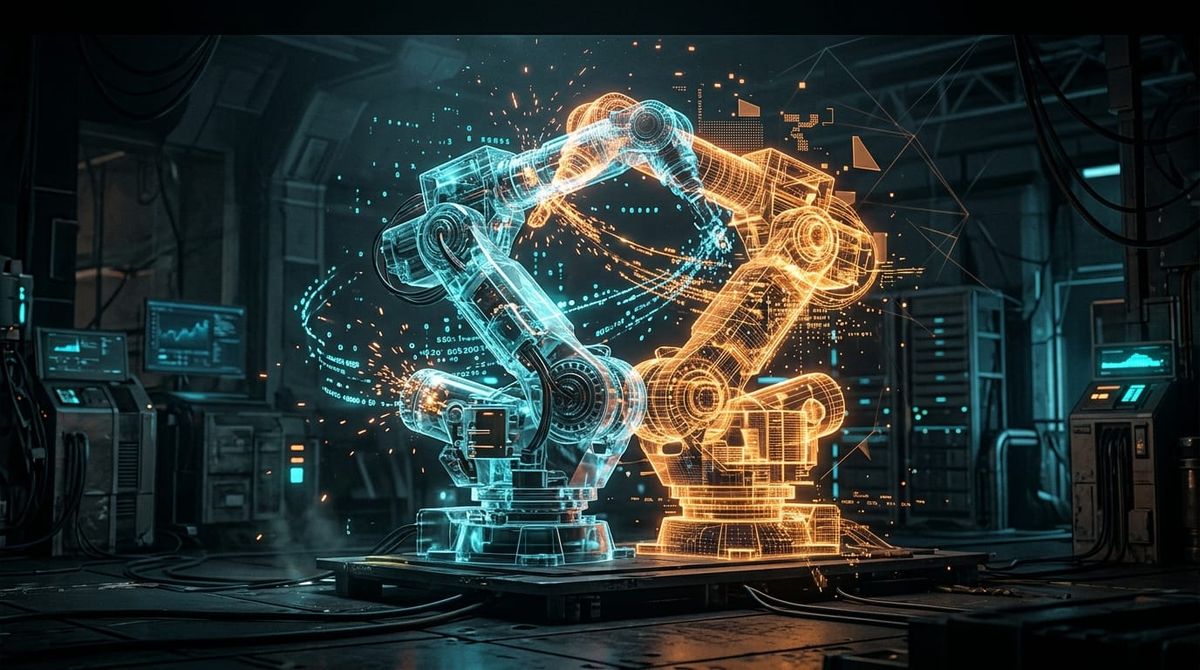
The transition from a digital brain to a physical body has long been the "sim-to-real" gap that stymies robotics. NVIDIA is addressing this bottleneck head-on with a new suite of open models and frameworks designed to accelerate how Physical AI is built. The strategy centers on a seamless pipeline that connects high-fidelity simulation, robot learning, and embedded edge compute.
At the heart of this evolution is the ability to use generative AI to create diverse training scenarios in simulation. Rather than relying on thousands of hours of manual coding or dangerous real-world trials, developers can now utilize foundation models to teach robots complex tasks—from manipulation to locomotion—within a virtual environment that obeys the laws of physics. Once the AI agent masters the task in the digital twin, the policy is optimized and deployed onto Jetson or Thor platforms for real-world execution.
This "cloud-to-robot" workflow is not just about speed; it is about performance. By integrating NVIDIA’s Isaac platform with the latest transformer-based models, robots are becoming capable of reasoning through their environments in ways previously reserved for pure software agents. As these systems move from fixed factory floors to dynamic human environments, the synergy between massive-scale simulation and ruggedized hardware will be the defining factor in the next generation of autonomous machines.
Source: NVIDIA Blog