Bridging the Reality Gap: How Virtual Worlds are Forging Physical AI
NVIDIA is bridging the gap between digital intelligence and physical action by leveraging the Omniverse to train robots in high-fidelity virtual environments. This simulation-first approach allows for the safe development of complex AI behaviors before they are deployed in the real world.
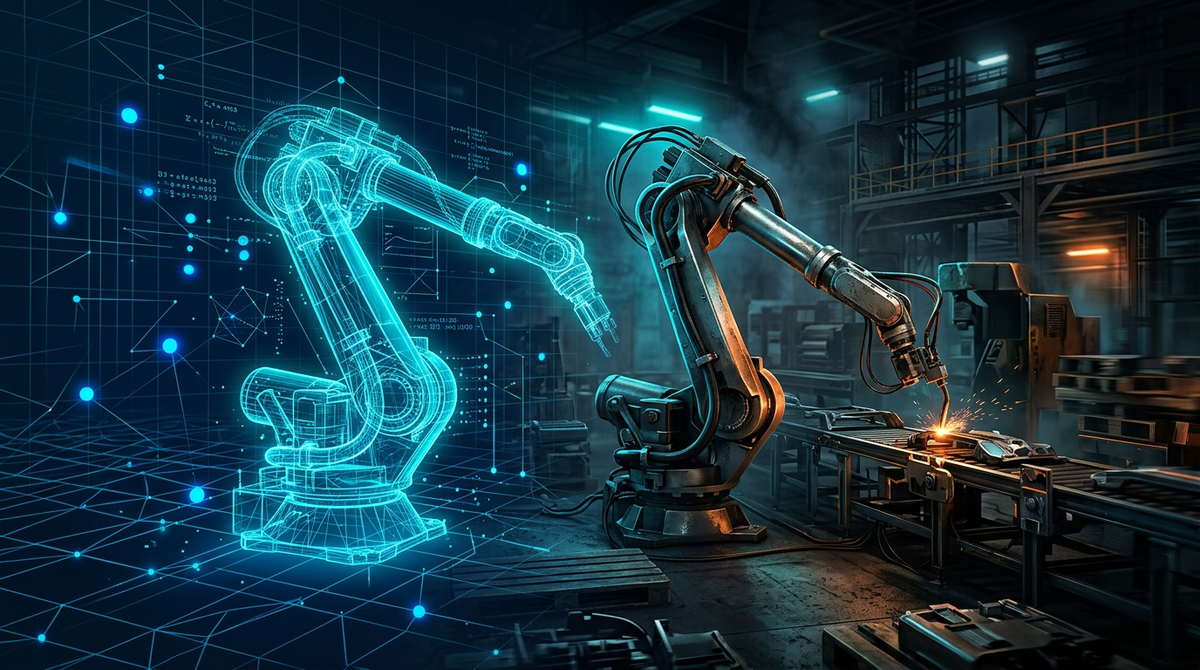
The era of Physical AI has arrived, fueled by the realization that intelligence must inhabit a body to truly transform industries. NVIDIA is at the forefront of this shift, utilizing its Omniverse platform to create "digital twins" of the physical world. These are not merely visual replicas but physically accurate simulations where AI agents can learn, fail, and iterate without the risks associated with real-world testing.
By training neural networks in these virtual sandboxes, developers can expose robots to millions of scenarios—from navigating cluttered warehouses to precision assembly on a factory floor—in a fraction of the time it would take in reality. This "sim-to-real" pipeline is the backbone of modern robotics, ensuring that when an AI model is finally uploaded to a physical chassis, it possesses a refined understanding of physics and spatial awareness. The integration of OpenUSD (Universal Scene Description) further enables a standardized language for these 3D environments, allowing various AI tools and robotics platforms to interoperate seamlessly.
As we celebrate National Robotics Week, the focus remains on scaling these capabilities. Industries ranging from agriculture to automotive manufacturing are transitioning from simple automation to autonomous systems capable of reasoning and adapting. The ultimate goal is a feedback loop where physical sensors inform the digital model, which in turn optimizes the physical action, creating a continuous cycle of improvement in Physical AI performance.
Source: NVIDIA Blog