Beyond the Silos: NVIDIA’s Omni Model Unlocks Fluid Physical AI
NVIDIA's new Nemotron 3 Nano Omni model marks a shift toward unified multimodal AI, allowing agents to process vision, audio, and text simultaneously. This architecture eliminates the latency of switching between disparate models, enabling more fluid human-robot interaction.
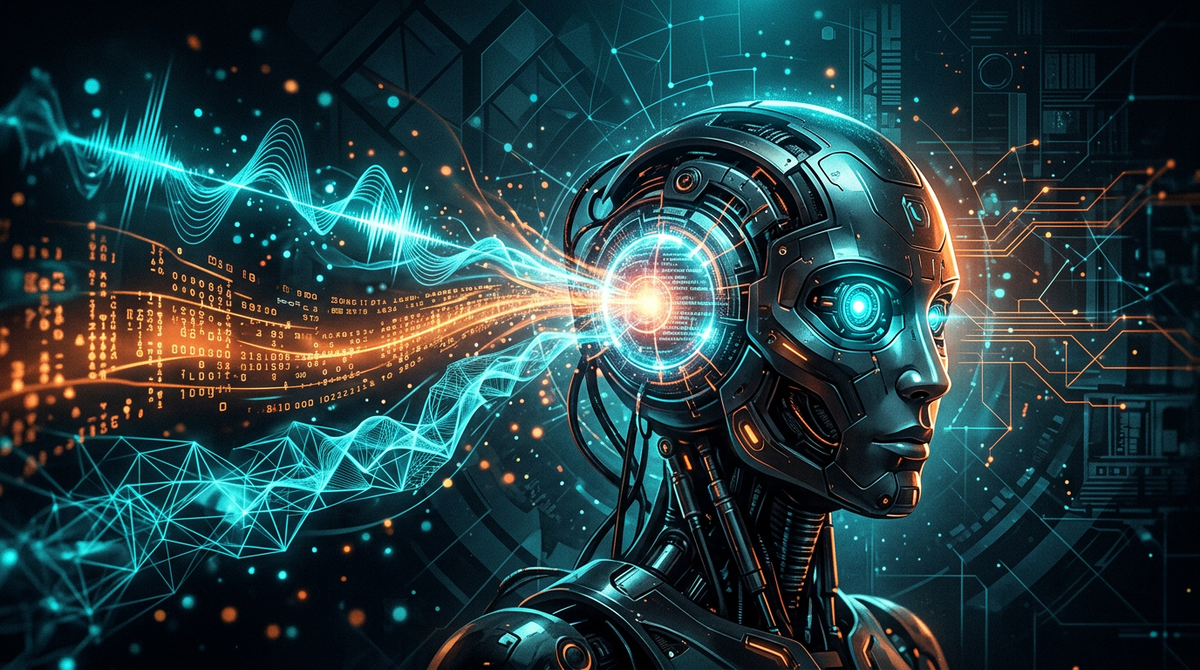
The transition from generative AI to "agentic" AI requires a fundamental shift in how machines perceive their environment. Traditionally, Physical AI systems have relied on a "Frankenstein" architecture—stitching together separate models for computer vision, speech recognition, and natural language processing. This approach creates a "telephone game" effect, where vital context is lost as data is passed between disconnected pipelines, resulting in laggy and awkward interactions.
NVIDIA’s launch of the Nemotron 3 Nano Omni model aims to solve this by unifying these modalities into a single, compact architecture. By processing vision, audio, and text natively within the same model, AI agents can achieve up to 9x greater efficiency. For Physical AI, this means a robot doesn't just "see" a person and then "hear" a command; it perceives the entire scene holistically, much like a human does. This enables real-time responsiveness that is critical for autonomous assistants operating in dynamic environments.
The "Nano" designation is particularly significant. It suggests that these sophisticated multimodal capabilities are being optimized for edge deployment. In the world of Physical AI, the goal is to move intelligence off the cloud and onto the device. Reducing the computational footprint while increasing the "omni" capabilities allows for smarter, safer, and more intuitive robots that can operate reliably without a high-bandwidth tether to a data center.
Source: NVIDIA Blog