ADAS Under the Microscope: Federal Regulators Pressure Tesla Over Low-Visibility Failures
NHTSA is intensifying its investigation into Tesla’s 'Full Self-Driving' (Supervised) software following reports of failures in low-visibility conditions. The probe focuses on the effectiveness of Tesla's vision-only ADAS approach in fog, rain, and sun glare.
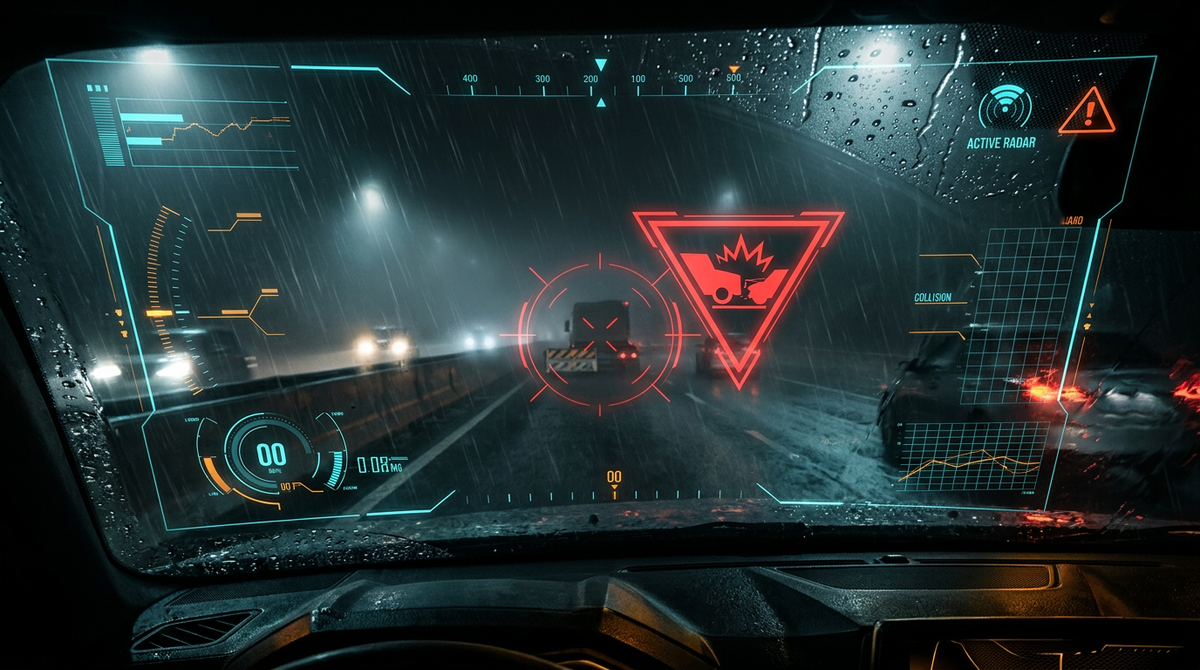
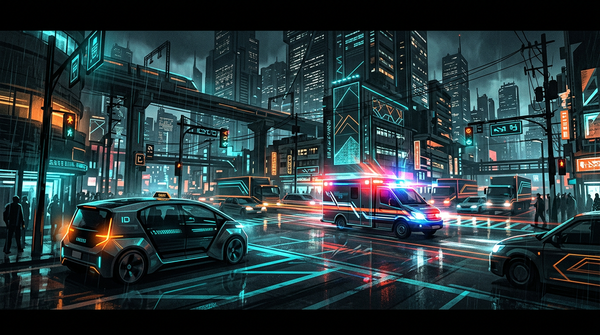
Tesla’s "Full Self-Driving (Supervised)" system is under renewed scrutiny as the National Highway Traffic Safety Administration (NHTSA) upgrades its investigation into the Advanced Driver Assistance System (ADAS). The federal move comes after identifying multiple incidents where the software struggled to recognize hazards during periods of low visibility, such as heavy fog, blinding sun glare, and torrential rain.
The core of the investigation lies in Tesla’s "Vision-only" philosophy. Unlike many competitors who utilize a "sensor fusion" approach—combining cameras with Radar or LiDAR—Tesla relies exclusively on optical cameras and neural networks. Regulators are questioning whether this approach provides enough redundancy when environmental conditions degrade the cameras' ability to "see" the road with the same clarity as a human eye.
This investigation has massive implications for the ADAS industry. If the NHTSA finds that camera-only systems are fundamentally insufficient for safe operation in all weather conditions, it could lead to mandatory hardware retrofits or severe limitations on where and when these systems can be engaged. For Tesla, which has staked its valuation on the success of FSD, the stakes couldn't be higher. For the rest of the industry, it is a sobering reminder that "supervised" autonomy still requires a level of reliability that matches, or exceeds, the human baseline across every possible environment.
Source: TechCrunch