Zoox Lands at LAS: The Robotaxi Expansion Moves to Critical Infrastructure
Amazon’s Zoox has officially expanded its robotaxi service to the Las Vegas airport, marking a significant milestone in the commercialization of autonomous ride-hailing. As the company begins charging for rides, the move signals a maturing market ready for infrastructure integration.
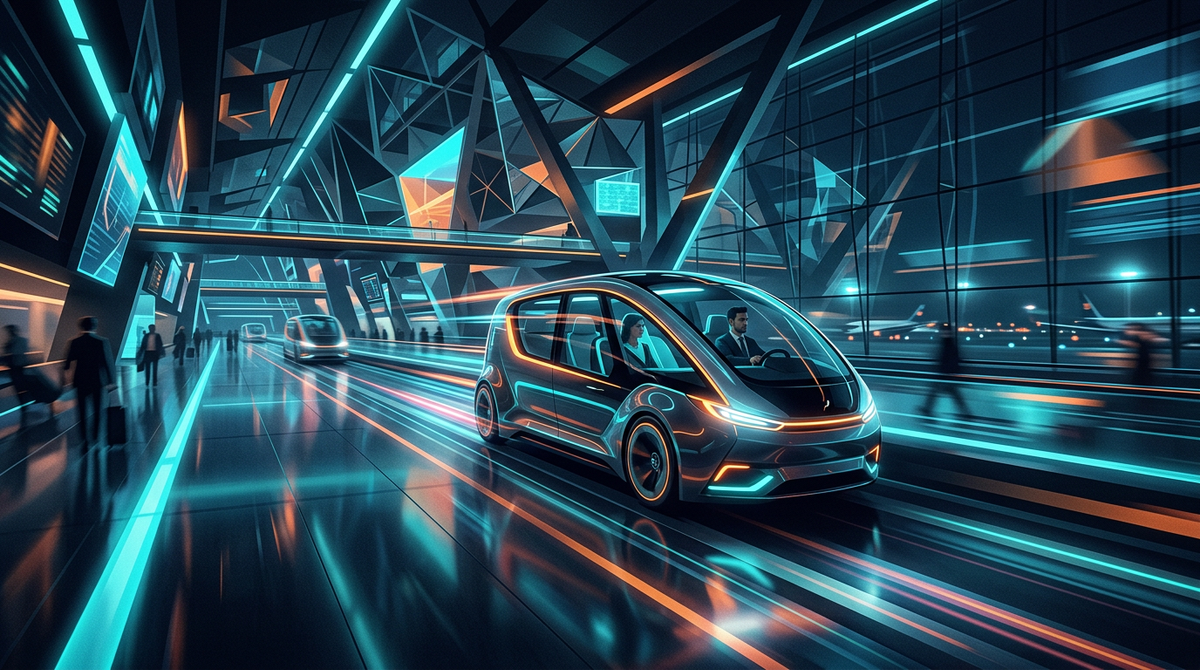
The autonomous vehicle sector is entering a new phase of operational maturity, evidenced by Amazon-owned Zoox expanding its robotaxi service to one of the busiest transit hubs in the United States: Harry Reid International Airport in Las Vegas. This expansion follows closely on the heels of Zoox’s transition to a paid commercial model, signaling that the company is confident in both its hardware and its service reliability.
Operating at an airport presents a unique set of challenges for autonomous systems. The environment is characterized by high traffic density, complex pedestrian movements, and a constant influx of travelers unfamiliar with the local layout. By successfully deploying its purpose-built, bidirectional vehicles in this high-stakes environment, Zoox is demonstrating the robustness of its sensor suite and perception algorithms. Unlike traditional cars retrofitted with sensors, Zoox’s symmetrical design allows for maneuvers in tight spaces that would be impossible for human-driven vehicles.
This move mirrors a broader trend in the industry. As competitors like Waymo also accelerate their launches in cities like Denver and San Diego, the "hype cycle" of 2016 has been replaced by a "deployment cycle" in 2026. The focus has shifted from mere technological demonstration to regulatory compliance and user experience. For Zoox, the airport run is the ultimate stress test for a service meant to replace the traditional urban commute, proving that autonomous vehicles can handle the most demanding logistical nodes in a modern city.
Source: TechCrunch