The Centralized Nervous System: The Evolution of Software-Defined Vehicles
The modern vehicle is becoming a rolling data center, and the Shift to Software-Defined Vehicles (SDV) is driving a total rethink of electrical architectures. Zonal controllers and high-speed networking are the new benchmarks.
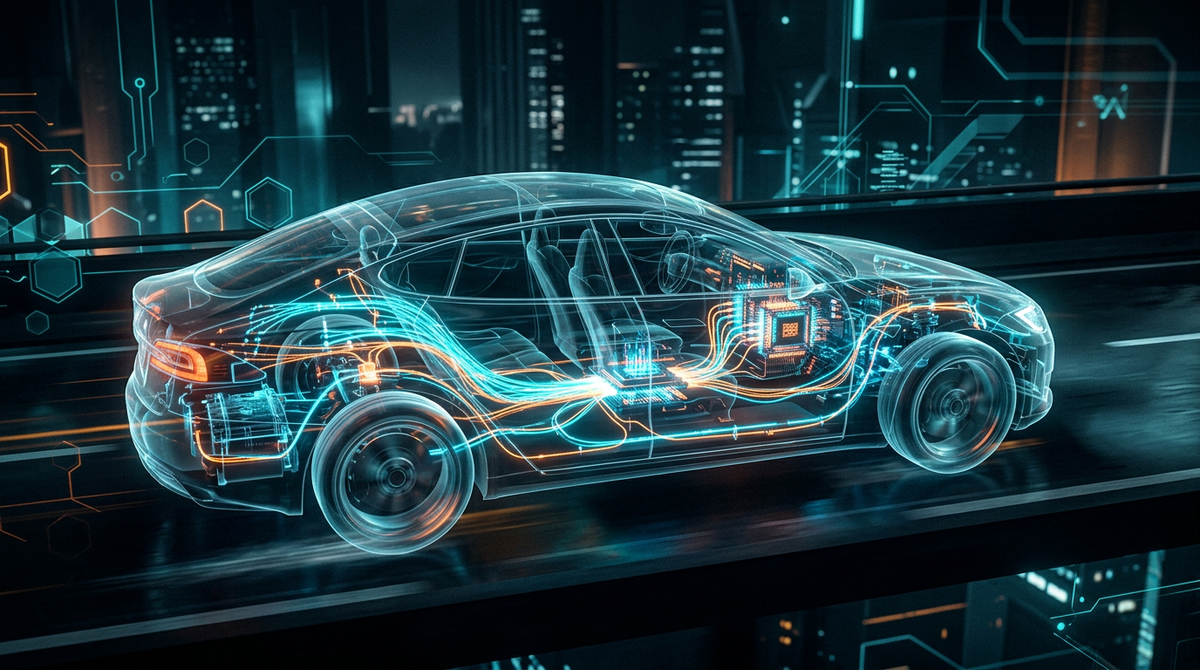
The traditional automotive model of "one function, one ECU" is dead. As the industry pivots toward Software-Defined Vehicles (SDVs), the complexity of managing hundreds of disparate electronic control units has become unsustainable. Instead, manufacturers are moving toward centralized "zonal" architectures, where a few high-performance computers manage entire regions of the vehicle, connected by high-speed Ethernet backbones.
This shift is not just about reducing the miles of copper wiring inside a car; it’s about enabling continuous improvement through Over-the-Air (OTA) updates. In an SDV, the hardware is static, but the vehicle’s capabilities—ranging from battery management and motor torque to advanced driver-assistance features—can be refined and expanded throughout its lifespan. This mirrors the evolution of the smartphone, where the value lies in the software ecosystem rather than just the physical device.
However, the transition to SDVs presents massive challenges for legacy automakers. It requires a total overhaul of their supply chains and internal engineering expertise. Developing a "vehicle OS" that is both secure from cyberattacks and reliable enough for safety-critical systems is a monumental task. As vehicles become increasingly autonomous, the SDV architecture becomes the foundation upon which all other Physical AI features are built. Those who master the software stack will define the next decade of the automotive industry.
Source: Semiconductor Engineering