V2G Integration: How Software-Defined Vehicles Are Rescuing the Power Grid
Electric vehicles are increasingly doubling as mobile batteries for the power grid. During recent record-breaking heat waves, vehicle-to-grid (V2G) technology helped prevent blackouts by feeding energy back into the system when demand peaked.
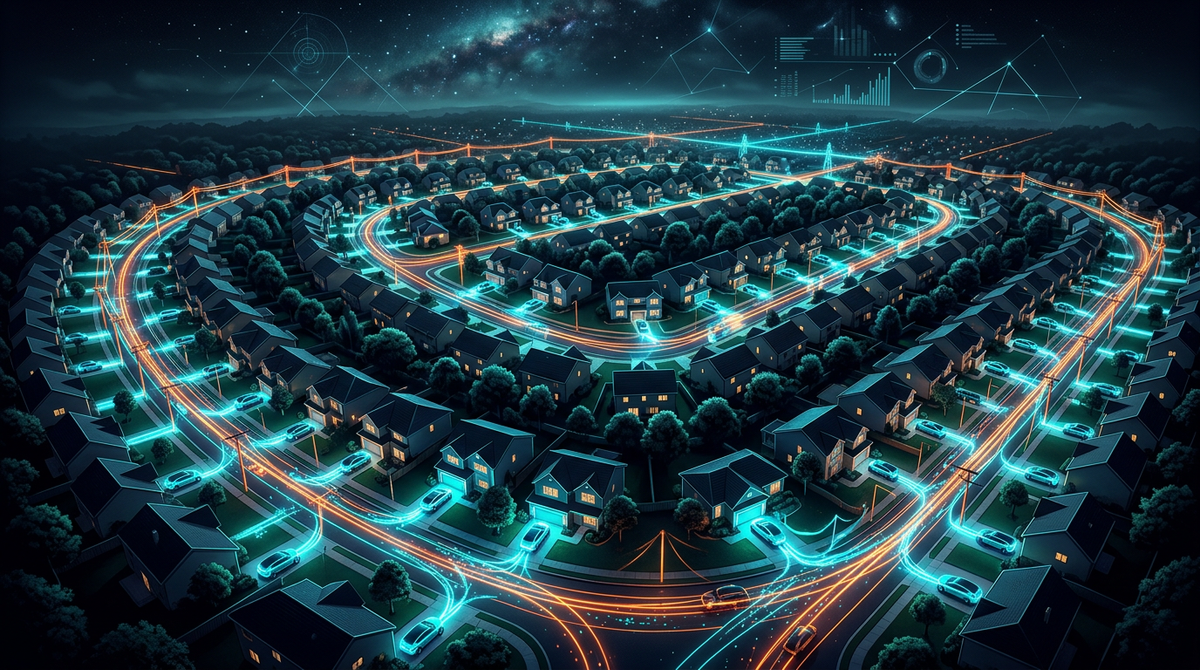
The narrative surrounding electric vehicles and the power grid is shifting from "burden" to "solution." During recent extreme heat domes that pushed utility infrastructures to their breaking points, EVs didn't cause the grid to collapse; they helped save it. Through the maturation of Software-Defined Vehicle (SDV) capabilities, modern EVs are now acting as distributed energy resources.
Software-defined power management allows these vehicles to communicate intelligently with the grid. When demand spikes and the risk of a blackout increases, utilities can—with owner permission—draw small amounts of power from thousands of parked EVs. This collective "virtual power plant" provides a buffer that traditional power plants often cannot match in terms of ramp-up speed.
This symbiotic relationship highlights the importance of the SDV architecture. The ability to update a car's energy management software over-the-air means that older EVs can be "recruited" into these grid-balancing programs. As more manufacturers adopt bidirectional charging and advanced telematics, the car becomes more than just a transportation device; it becomes a critical node in a resilient, software-managed energy ecosystem.
Source: Electrek