Utility Over Anatomy: Boston Dynamics Redefines the Robot Hand for Atlas
Boston Dynamics has unveiled a new, robust hand for its Atlas robot, moving away from experimental designs toward mass-producible hardware. The three-fingered manipulator is designed for high-impact industrial tasks rather than human mimicry.
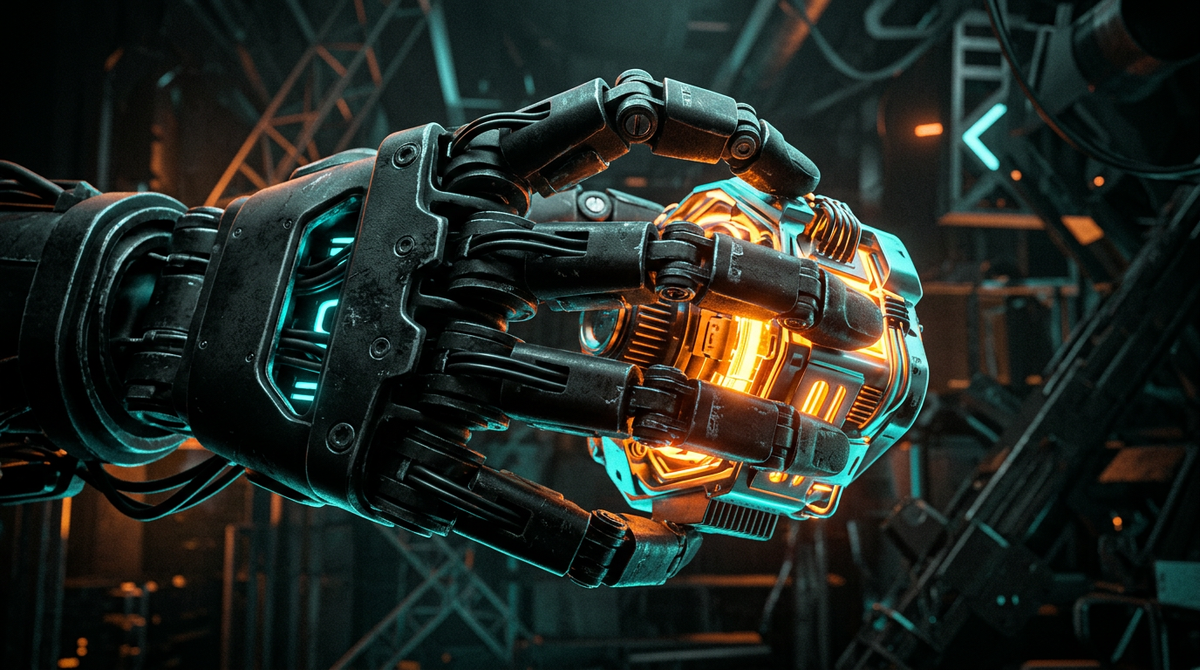
For years, the robotics industry has chased the "humanoid" dream—creating hands that mimic the five-fingered complexity of the human palm. Boston Dynamics is taking a different path. With the unveiling of a new hand for the electric Atlas, the company is prioritizing durability and industrial utility over anatomical accuracy.
The new hand features three digits—two fingers and a thumb—designed to withstand the high-impact forces of a warehouse or factory environment. While the previous generation demonstrated incredible dexterity in curated videos, this new iteration is "built for work." It simplifies the mechanical complexity, making the robot more reliable and easier to manufacture at scale.
This shift reflects a broader trend in robotics: the transition from laboratory wonders to commercial tools. By focusing on what a robot *needs* to do—grab, hold, and manipulate heavy objects—rather than trying to look like a human, Boston Dynamics is paving the way for the mass deployment of humanoid laborers in logistics and manufacturing sectors.
Source: IEEE Spectrum