The Software-Defined Volvo: Reimagining the Cockpit for 2030
Volvo is reinventing its vehicle architecture for the electric era, teasing a new design philosophy that integrates deep software connectivity with a revamped interior experience.
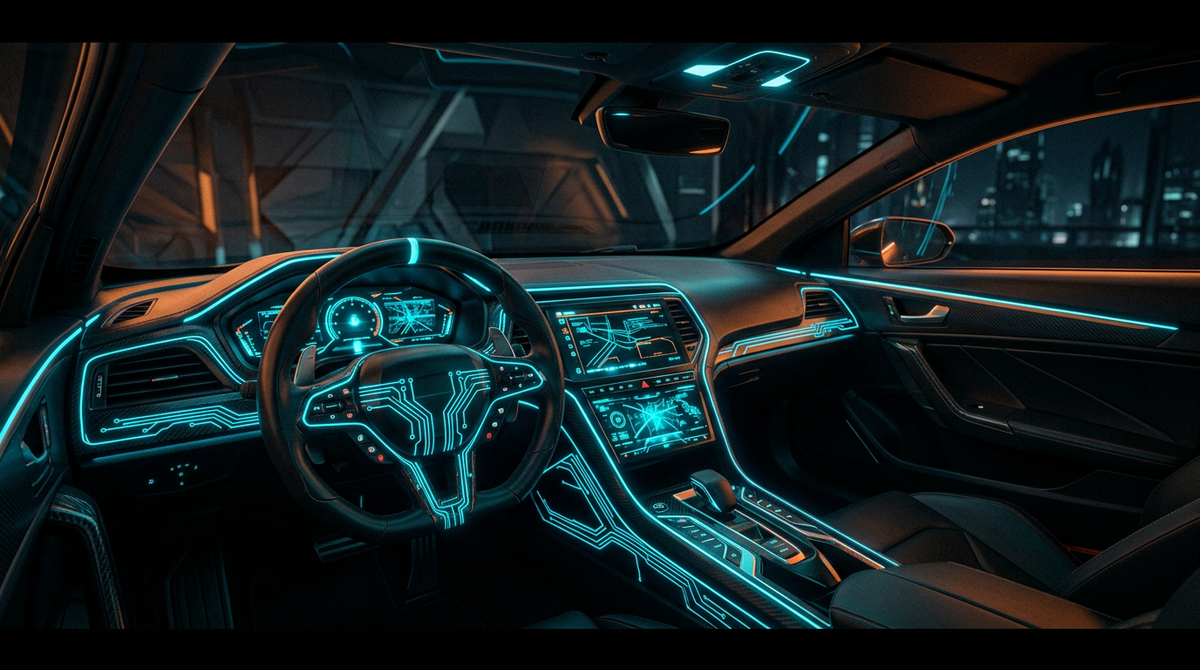
Volvo is signaling a major pivot in its design and engineering strategy as it prepares to launch 13 new electric and plug-in hybrid vehicles by 2030. At the heart of this transformation is the Software-Defined Vehicle (SDV) architecture, which treats the car not just as a mode of transport, but as a living digital platform. The recent teasers from the Swedish automaker suggest that the next generation of Volvos will feature a radical departure from traditional interiors, focused heavily on user interface (UI) and seamless connectivity.
For Volvo, the move toward SDVs is about more than just large screens; it is about decoupling hardware from software. This allows for over-the-air (OTA) updates that can improve everything from battery management to autonomous driving features long after the car has left the factory. The "surprise inside" hinted at in recent previews suggests a focus on modularity and a reimagined cockpit that prioritizes the digital experience of both the driver and passengers.
This shift is essential for legacy automakers to compete with tech-first companies. By building a robust software stack, Volvo aims to create a vehicle that evolves with the user. The Bronx deployment of the Volvo VNR Electric trucks further underscores this commitment, showing that the company’s software-first approach extends from luxury passenger cars to heavy-duty logistics. As the industry moves toward 2030, Volvo’s ability to execute on this software-centric vision will determine its standing in an increasingly crowded EV marketplace.
Source: Electrek