The Smoke Gap: Zoox Recall Highlights Autonomous Perception Challenges
Zoox has issued a software recall following an incident where a robotaxi was unable to navigate through heavy smoke. The event highlights the ongoing struggle for autonomous systems to handle environmental "edge cases" that confuse traditional sensor suites.
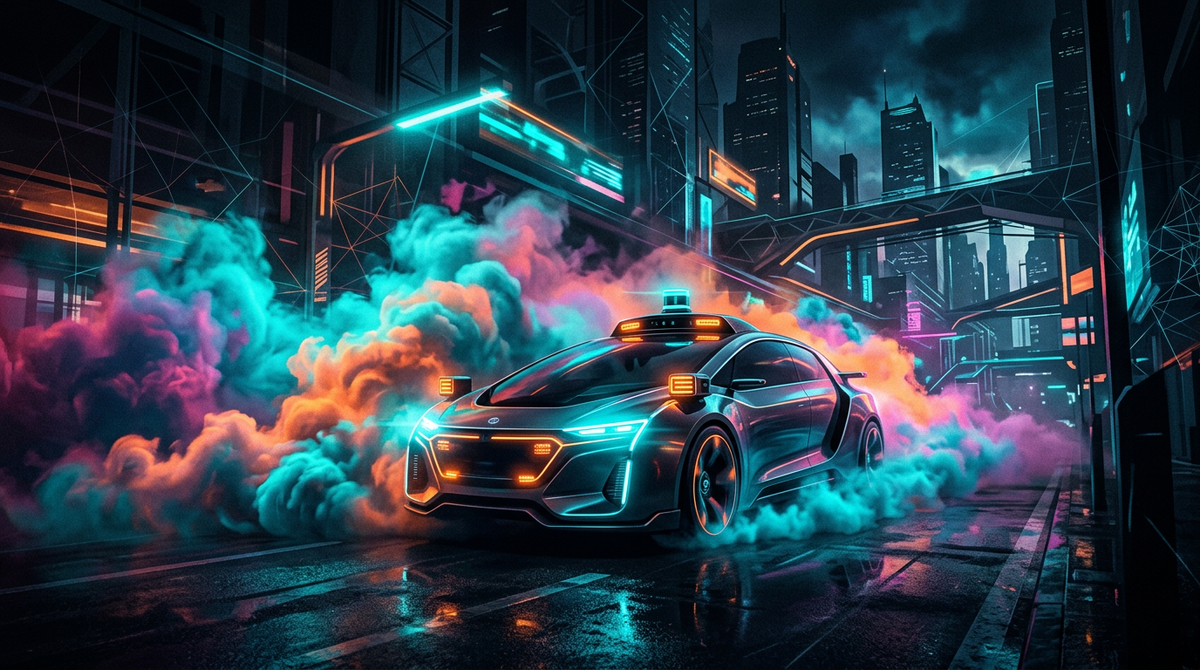
The quest for Level 5 autonomy faces a persistent hurdle: the unpredictable nature of the real world. Zoox, the Amazon-owned autonomous vehicle subsidiary, recently issued a software recall after one of its robotaxis became "confused" by heavy smoke on a public roadway. This incident follows a series of warnings from the National Highway Traffic Safety Administration (NHTSA) regarding how autonomous vehicles (AVs) interact with first responders and emergency scenes.
The technical core of the issue lies in sensor fusion—the way an AV combines data from LiDAR, cameras, and radar to build a model of its surroundings. While LiDAR is exceptional at mapping solid objects, particulate matter like thick smoke, heavy steam, or localized fog can create "phantom" obstacles or obscure actual hazards. In the Zoox case, the vehicle’s inability to differentiate between a harmless cloud of smoke and a solid barrier led to erratic behavior that could have impeded emergency services.
Federal regulators are now taking a harder line, explicitly stating that emergency scenes are not "edge cases" but expected occurrences on public roads. This recall underscores the necessity for more robust perception algorithms that can handle degraded visual environments. For the AV industry, the path forward involves not just more data, but more sophisticated "semantic" understanding—teaching the car not just that an object is there, but *what* it is and how to behave when its primary sensors are compromised. As Zoox updates its fleet, the industry is watching closely to see how the next generation of software-defined perception will handle the messy realities of urban infrastructure.
Source: TechCrunch